Authenticity > Aesthetics: The Creator Economy’s Impact on Influencer Marketing
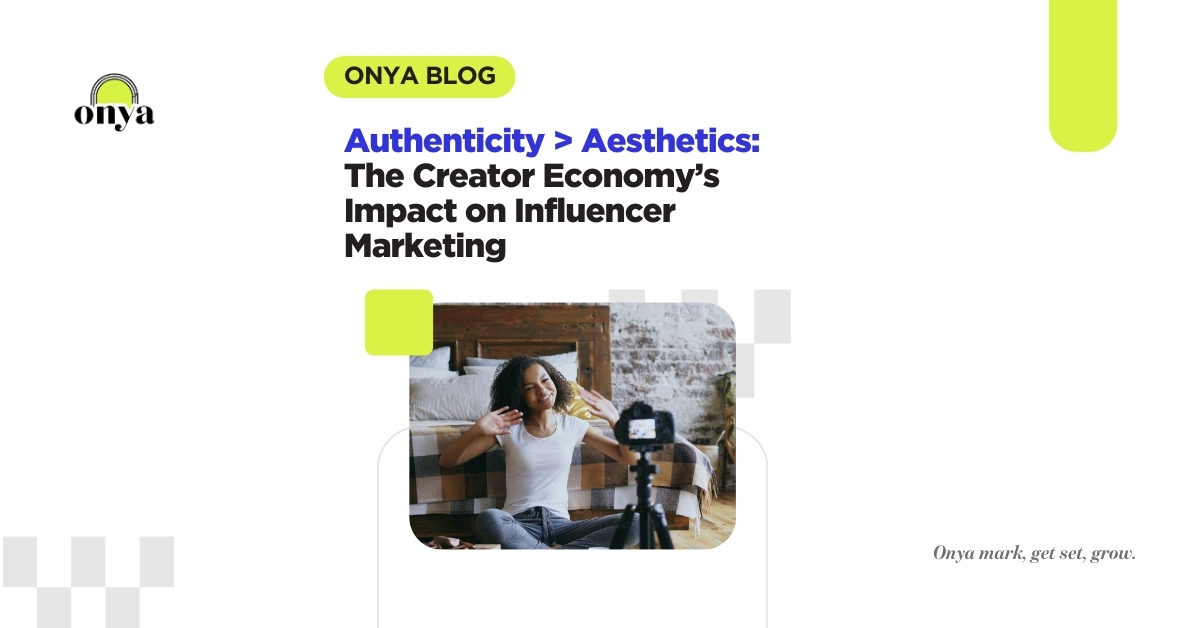
For years, influencer marketing followed a pretty predictable formula. Perfect lighting. Flawless skin. Carefully staged flat lays. Content that looked more like a magazine spread than something a real person would post on their phone. And for a while, it worked.
But somewhere along the way, audiences got tired.
Today’s consumers—especially Gen Z and younger millennials—can spot overproduced brand content from a mile away. And when they do, they scroll right past it. In a creator-first economy, authenticity isn’t just a buzzword. It’s the difference between content that converts and content that quietly dies in-feed.
As a digital marketing agency working closely with brands navigating influencer strategy in 2026, we’re seeing one truth become impossible to ignore: authentic creator storytelling is outperforming polished brand aesthetics across nearly every platform.
The Shift From Brand-Controlled to Creator-Led
Traditional influencer marketing was brand-led. Brands dictated talking points, visual guidelines, captions, hashtags, and even posting times. Creators were essentially rented distribution channels—human billboards with an engaged audience.
The creator economy flipped that model on its head.
Today’s most effective influencer campaigns give creators creative control. Why? Because creators understand their audience better than any brand brief ever could. They know what feels natural, what sparks conversation, and what comes across as forced.
When brands loosen their grip, content feels more like a recommendation from a trusted friend and less like an ad trying too hard to blend in.
And that matters, because trust is currency now.
Why Overproduced Content Is Losing Ground
Highly polished brand content isn’t inherently bad—but it’s no longer enough. In many cases, it’s actively working against performance.
Here’s why:
- Audiences associate polish with persuasion. When something looks too perfect, it triggers skepticism. People assume they’re being sold to.
- Platform algorithms reward native content. TikTok, Instagram Reels, and YouTube Shorts all favor content that feels organic to the platform—not repurposed brand ads.
- Perfection feels outdated. Messy, real-life moments perform better than flawless studio shoots because they reflect how people actually live.
We regularly see lower engagement rates on influencer posts that look “too brandy,” even when the creator has a strong following. Meanwhile, casual, lo-fi content shot on an iPhone often outperforms it—sometimes dramatically.
Creators Aren’t Just Promoting Brands—They’re Building Narratives
What brands often underestimate is that creators don’t just post content. They tell stories over time.
When a creator genuinely integrates a product into their daily life—using it repeatedly, referencing it casually, answering questions in comments—it builds a narrative arc. That long-term storytelling is something one-off branded posts simply can’t replicate.
In the creator economy, influence isn’t about one viral moment. It’s about consistency, relatability, and repetition.
That’s why long-term creator partnerships are outperforming short-term campaigns. Audiences can tell when a creator actually uses a product versus when they’re just checking a box for a paycheck.
Authenticity Drives Performance, Not Just “Good Vibes”
There’s a misconception that authenticity is nice for brand perception but weak for performance. In reality, we’re seeing the opposite.
Authentic creator content often leads to:
- Higher engagement rates
- Longer watch times
- More saves and shares
- Stronger branded search lift
- Better downstream conversion performance
Why? Because authenticity lowers resistance. When content feels real, audiences are more open to considering the product. They’re not being “sold to”—they’re being informed, entertained, or inspired.
From a performance marketing perspective, this is gold. Authentic content doesn’t just live at the top of the funnel. When paired with smart paid amplification, it becomes a powerful mid- and lower-funnel asset.
Why Brands Need to Stop Chasing “On-Brand” Perfection
One of the biggest mistakes we see brands make is prioritizing brand consistency over creator authenticity.
Yes, your brand has guidelines. Yes, your visuals matter. But forcing creators into rigid templates often strips away the very thing that made their audience trust them in the first place.
The brands winning in influencer marketing today are asking different questions:
- Does this feel native to the creator’s feed?
- Would they post this even if it weren’t sponsored?
- Does this sound like how they actually talk?
When the answer is yes, performance usually follows.
The Rise of “Imperfect” Content—and Why It Works
Unboxing videos filmed in messy bedrooms. GRWM videos with bad lighting. Voiceovers recorded in cars. These formats aren’t accidents—they’re signals of authenticity.
Imperfect content works because it feels human.
Audiences don’t want brands to pretend to be people. They want people they trust to talk honestly about brands. That distinction is subtle but powerful.
And as platforms continue to evolve toward creator-first ecosystems—social commerce, affiliate storefronts, subscription communities—that human connection becomes even more valuable.
What This Means for Influencer Marketing Strategy in 2026
Influencer marketing is no longer about finding the biggest following or the prettiest feed. It’s about alignment, trust, and creative freedom.
Brands need to think less like advertisers and more like collaborators. That means:
- Choosing creators whose values and audience genuinely align with your product
- Letting creators lead the storytelling
- Measuring success beyond surface-level vanity metrics
- Repurposing high-performing creator content across paid and owned channels
Authenticity isn’t anti-strategy—it is the strategy.
This isn’t a call to abandon brand identity or visual quality altogether. Aesthetics still have a place. But they’re no longer the hero of influencer marketing.
In the creator economy, authenticity wins because it builds trust. And trust is what drives influence, loyalty, and ultimately, revenue. The brands that understand this shift—and act on it—won’t just survive the next era of influencer marketing. They’ll lead it.