
Blog

Expert insights on digital advertising, strategy, and growth

background decorative graphicbackground decorative graphic
Marketing Insights
July 31, 2026

Not Showing Up in Google AI Overviews? Here's How a Marketing Agency Tracks and Fixes It

Nearly half of all Google searches now show an AI Overview before a single website link appears. If your traffic has shifted and you can't explain why, this is often the reason.

Ranking well in regular search results doesn't guarantee a spot in the AI-generated summary above them. Search Console and Analytics don't help much here either. They can tell you a search happened and a page was visited, but they cannot tell you whether your page was named inside Google's AI summary, passed over for a competitor's, or removed after appearing there the month before. This is exactly the blind spot Google AI Overview trackers are built to close.

At Onya, we've watched brands do everything right to rank at the top of search results, only to see the traffic and leads go to whoever got cited in the AI Overview instead. If that's what's happening to you, here's how a marketing agency like ours tracks it down and fixes it.

What AI Overview Visibility Actually Means

AI Overview visibility is whether Google's AI summary names your website as a source, and it's not the same as ranking well. A page can hold position one in regular results and still get left out of the summary above it because Google selects AIO (Artificial Intelligence Optimization) sources using different signals than it uses for standard rankings.

There's also a difference between being cited and being mentioned. A citation links back to your site and can bring traffic. A mention just references your brand in the summary text, with nothing for a reader to click. Knowing which one you're getting, if either, is what a good Google AI Overview tracker is built to show you. 

When Google Shows AI Overviews (And When It Doesn't)

Google leans on AI Overviews most for informational searches: questions, comparisons, and how-to queries where a summarized answer genuinely helps. 

Long and specific searches trigger them more often than short and generic ones, since Google has more context to work with. Location plays a big role because AI Overviews roll out region by region. That means a search that shows one for someone in the US might not for someone searching the same term from Canada. 

That gap alone can explain a drop in visibility that has nothing to do with your content. Which queries trigger an AI Overview also keeps changing, and this is often the real answer to why your AI Overview disappeared the way it used to. Google adjusts this on an ongoing basis, so a keyword that showed one last month might not this month, and a keyword that never did might start tomorrow.

Why Your Website Isn't Appearing in AI Overviews

Most of the time, the answer to why AI Overview isn't working isn’t because of one single mistake. There might be a few smaller gaps working against each other at once. 

The most common ones and what they look like in practice are:

  • Your page misses the intent. If someone wants a quick definition or step-by-step answer and your page leads with a pitch instead, Google skips it.
  • The answer is buried. Google favors pages that give the answer early, not ones that build up to it.
  • The formatting doesn't help. Long blocks of text are harder to pull from than clear headings and short sections.
  • It reads like it was written for a search engine, not a person. Stiff, keyword-heavy writing is harder to summarize than plain language.
  • There's nothing original to point to. When pages say the same thing, Google favors the one with something extra, like an example or original data.
  • Trust signals are thin. Author credibility, other sites linking to it, and consistent coverage of the topic all help. A single page on an unfamiliar site has more to prove.

And sometimes nothing on your end changed at all. AI Overviews shift on their own. A program page that was cited last month can lose that spot simply because Google re-evaluated the query and picked someone else. That kind of drop isn't always something you did wrong, and it isn't always something you can fix.

Why You Can't Track AI Overviews in Google Search Console

Google added a dedicated AI report to Search Console in June 2026, so you can now see how often your pages appear inside AI Overviews and AI Mode, broken down by page, country, and device. That closed a real gap. Before this, AI Overview visibility was buried inside your regular Search totals with no way to pull it out.

The report still leaves out the numbers most marketers actually need. It shows impressions only, not clicks, not average position, and not which query triggered the appearance. You can confirm your page was shown inside an AI Overview, but you can't confirm whether anyone clicked through because of it. Google has said more metrics may come later, but nothing is confirmed yet.

This is exactly why dedicated Google AI Overview trackers exist. They fill in what Search Console and Analytics can't: which keywords are triggering AI Overviews, whether you're the one being cited, and how that visibility changes over time. That's what the next two sections cover.

How Google AI Overview Trackers Help

Search Console tells you a page was seen. It doesn't tell you what actually happened inside that AI Overview, and that's the part that decides whether the visibility means anything. A dedicated AI Overview tracker is built to answer exactly that:

  • Which of your keywords are triggering an AI Overview right now, and which ones stopped?
  • Whether you're linked inside the summary or just mentioned with nothing for a reader to click.
  • Whether a competitor has taken the spot you used to hold and for which searches.
  • What changed since last month so a drop can be traced to a real cause instead of a guess?

Without this, most teams find out something changed when leads drop, and nobody can say why. A tracker catches it earlier and ties it to the specific keyword involved, so the fix targets that one page instead of triggering a full site audit no one has time for.

Best Practices to Improve AI Overview Visibility

Onya The Digital marketing agncy in ai overview
Onya Marketing

Each one of the gaps we covered earlier is fixable, and none of them mean you need to rework your entire site. The best practices to improve AI overview visibility come down to giving Google clear and specific reasons to trust. 

Here are some of the common practices. 

  • Lead with the answer. State it in the first sentence or two, then explain further below. Google can't cite what it has to dig for.
  • Structure for extraction. Clear headings, short paragraphs, and bullet points make a page easier to pull from. FAQ sections and schema markup help even more.
  • Target queries that actually trigger AI Overviews. Not every keyword shows one. Informational, question-based searches trigger them far more often than transactional ones do.
  • Add something no one else has. An original example, a real data point, or a detail from actual experience gives Google a reason to choose your page over a nearly identical one.
  • Build authority around the topic, not just one page. A cluster of related content earns more trust than a single strong article standing alone.
  • Keep it current. Update pages when facts change. Freshness matters more here than it does for standard rankings, since Google is actively trying to avoid citing outdated information.

However, the sad part is none of these practices guarantee a citation because Google’s selection for AI Overviews keeps shifting. 

What it does is put your content in the group Google is actually choosing from, instead of the group it never considers in the first place. That shift alone is what most teams are missing, and it's usually where an outside set of eyes, like an agency that does this daily, catches what an internal team misses simply from being too close to the content.

How a Marketing Agency Tracks & Fixes the Issues

When you’re searching for an answer to “why did my AI Overview disappear or not work,” AI Overview visibility isn't a one-time check. It shifts week to week, which means it needs regular attention to actually manage, not just an occasional look when traffic feels off. This is where most internal teams run out of road, not because they lack the skill, but because they're already stretched across everything else the marketing calendar demands. 

Spotting an AI Overview problem takes someone watching for it consistently, and fixing it takes time most in-house teams don't have to spare on top of running campaigns.

At Onya, our approach starts by looking at the full picture instead of one number in isolation. A traffic dip tied to AI Overviews doesn't happen on its own. It shows up alongside your paid, social, and organic performance, and it's easier to catch and explain when someone is already watching all of it together, not just one channel in a vacuum.

Our team tracks which keywords are triggering AI Overviews, which ones cite you, and which ones have started citing a competitor instead. That's how we tell normal volatility apart from a real, fixable problem, and it's what tells us whether the fix is a content change, a structure change, or simply waiting out a shift Google made on its own. From there, it becomes part of the same strategy already running across your paid, social, and organic channels, so nothing gets treated as a standalone fire drill.

If your traffic has shifted and you can't explain why, talk to our team. We'll tell you whether AI Overviews are the reason and what to do about it.

Conclusion

Visibility inside AI Overviews works differently than ranking well, and treating them the same is usually where the gap starts. The reasons a page gets left out are fixable, and now that Search Console offers even partial data on it, catching the problem early is more realistic than it was a year ago. What still takes work is knowing which fix actually applies. Book a call with Onya, and we'll walk through what's happening on your site specifically.

Frequently Asked Questions (FAQs)

Why is AI Overview not working?
If a search isn't showing one at all, it's likely a transactional or navigational query, which Google usually skips. If your page isn't getting cited, check whether it answers the question in the first few lines, since Google can't summarize what it has to dig for.

Why did my AI Overview disappear?
Google re-evaluates citations regularly, so a page can lose its spot to a different source overnight with no change on your end. If nothing on your page changed, this is almost always the reason.

Does losing an AI Overview citation mean my SEO is getting worse?
No. Your regular ranking position and your AI Overview citation are decided separately, so you can lose one while keeping the other exactly where it was.

How often should I check my AI Overview visibility?
Weekly, using Search Console's Generative AI report for impressions, since citations can change faster than standard rankings do.

Can I stop my site from appearing in AI Overviews?
Yes, through a site-level opt-out Google added in 2026, though most sites gain more from being cited than they'd gain from opting out.

Not Showing Up in Google AI Overviews? Here's How a Marketing Agency Tracks and Fixes It
July 27, 2026

Why “Lo-Fi” Content Is Outperforming Highly Produced Social Media Campaigns

For years, brands believed the key to successful social media marketing was polished production. Professional cameras, scripted videos, studio lighting, flawless editing, and heavily curated visuals dominated feeds across Instagram, Facebook, and YouTube. The thinking made sense at the time. If a brand looked polished and premium, consumers would naturally trust it more.

But social media in 2026 looks very different than it did even three years ago.

Today, some of the highest-performing content online is filmed on smartphones, edited directly within apps like TikTok or Instagram Reels, and intentionally casual in appearance. Videos with imperfect lighting, quick cuts, conversational delivery, and behind-the-scenes energy are consistently outperforming expensive, highly produced campaigns.

This shift has caught many businesses off guard.

At Onya, we’ve worked with brands that invested heavily in polished social creative only to watch lower-budget, casual content dramatically outperform it in engagement, watch time, and conversions. The reason is not that production quality suddenly stopped mattering. It’s that audience behavior changed.

Consumers today are craving authenticity far more than perfection.

Why Audiences Are Responding to Lo-Fi Content

Modern consumers are exposed to an overwhelming amount of advertising every single day. Sponsored posts, paid partnerships, AI-generated content, and branded campaigns constantly compete for attention across every platform.

As audiences became more aware of marketing tactics, they also became better at tuning them out.

Highly polished social content often immediately registers as an advertisement. The second users recognize something as overly promotional, many instinctively scroll past it. Social platforms themselves are also rewarding content that feels more native and engaging rather than traditionally commercial.

Lo-fi content succeeds because it feels human.

Instead of resembling a commercial, it feels like a recommendation from a friend, a quick story, or a genuine moment. That subtle difference dramatically impacts how users engage with content.

People are far more likely to stop scrolling for a video that feels spontaneous and relatable than one that looks overly scripted or corporate. Social media platforms are designed around entertainment and connection, not traditional advertising. The brands succeeding right now understand that distinction.

This is especially true among younger audiences who have grown up immersed in digital content. Gen Z and younger Millennials can identify overly polished marketing almost instantly. In many cases, they actively distrust it.

That does not mean consumers dislike branding or professionalism. It simply means they prefer content that feels natural within the platform experience itself.

TikTok Changed Consumer Expectations

A major reason for this shift is TikTok’s influence on the broader social media landscape.

TikTok fundamentally changed how audiences consume content online. The platform rewarded personality, relatability, storytelling, and quick emotional connection over production value. Suddenly, anyone with a smartphone could create content capable of reaching millions of people.

Instagram Reels, YouTube Shorts, LinkedIn video content, and even Facebook have since adapted to similar styles of engagement.

The result is that audiences now expect content to feel immediate and authentic. Brands that continue producing social media content like traditional commercials often feel disconnected from how people actually use these platforms today.

Many companies are still trying to “perfect” content before posting it, while creators and competitors are winning simply by being more relatable and faster to market.

Speed and authenticity are now major competitive advantages.

Lo-Fi Content Often Performs Better in Paid Advertising Too

One of the biggest surprises for businesses has been how well lo-fi content performs in paid social campaigns.

Traditionally, brands assumed advertisements needed to feel polished to appear trustworthy. But increasingly, UGC-style creative and casual video formats are outperforming studio-quality ad campaigns in both engagement and conversion metrics.

There are several reasons for this.

First, lo-fi creative blends naturally into users’ feeds. Instead of interrupting the browsing experience, it feels like part of it. This lowers resistance and increases watch time.

Second, casual content often builds trust more quickly. Consumers perceive it as more genuine and less scripted. A simple product demonstration filmed casually at home may feel more believable than a perfectly lit commercial with actors and scripted dialogue.

Third, social algorithms heavily prioritize watch time and engagement. Lo-fi videos often hold attention longer because they feel conversational and less like advertising. That increased engagement sends positive signals to the platform, helping content reach even more people.

At Onya, we’ve seen brands reduce production costs significantly while simultaneously improving ad performance simply by adopting more creator-style content strategies.

The Difference Between Low Quality and Lo-Fi

One important clarification brands need to understand is that lo-fi does not mean careless.

There is still strategy behind effective social content. Strong hooks, compelling storytelling, audience understanding, and clear messaging still matter tremendously. The difference is that successful content today often feels less polished by design.

Audiences still expect value. They simply want it delivered in a more natural way.

Some brands make the mistake of assuming lo-fi means poor lighting, confusing audio, or random unplanned posting. That is not the goal. Effective lo-fi content still requires intentional creative direction. It simply prioritizes relatability over perfection.

In many ways, the best lo-fi content is carefully designed to feel effortless.

That balance is what makes creator partnerships so valuable right now. Many creators naturally understand how to make branded content feel organic to platforms like TikTok and Instagram. They know how to structure videos to maintain attention while still feeling authentic.

This is also why UGC continues to dominate many paid social strategies. Consumers trust people more than brands, and lo-fi content closes the emotional gap between businesses and audiences.

Why Overproduced Content Can Hurt Engagement

There are situations where highly produced creative still works exceptionally well. Brand campaigns, product launches, television spots, luxury branding, and cinematic storytelling absolutely still have their place.

However, social media is no longer primarily a polished showcase environment.

When content feels too corporate or overly commercial, audiences often disengage quickly. In some cases, highly produced videos create emotional distance between the brand and the viewer. Consumers may admire the production quality while feeling little personal connection to the message itself.

Lo-fi content tends to create the opposite effect.

It invites audiences into a more conversational experience. It feels accessible, personal, and immediate. In a social environment where users are constantly seeking connection, that relatability often wins.

This is one reason many large brands are now intentionally shifting toward creator-led campaigns and casual social-first creative instead of relying entirely on traditional agency production models.

What Brands Should Focus on Moving Forward

The brands seeing the strongest social performance in 2026 are not necessarily the ones spending the most money on production. They are the ones best understanding platform behavior and audience psychology.

Businesses should focus less on making every piece of content look perfect and more on making content feel engaging, useful, and authentic.

That may include:

  • Behind-the-scenes videos
  • Founder-led content
  • Employee perspectives
  • Casual product demonstrations
  • Customer testimonials
  • Day-in-the-life style videos
  • Quick educational content
  • Trend participation with personality

What matters most is whether the content feels natural within the social platform itself.

Consumers are increasingly rewarding brands that act more like creators and less like advertisers.

The Future of Social Media Marketing Is More Human

At Onya, we believe this shift toward lo-fi content reflects a much larger change happening across digital marketing. Social media is becoming less about polished broadcasting and more about conversation, personality, and trust.

Consumers want brands to feel approachable. They want transparency, relatability, and content that feels genuinely useful or entertaining rather than overly engineered.

The companies adapting successfully are the ones willing to evolve alongside audience behavior instead of clinging to outdated marketing expectations.

Professional branding still matters. Strong messaging still matters. Strategy still matters enormously. But perfection is no longer the priority it once was.

In fact, on social media today, being slightly imperfect may actually be your biggest advantage.

Why “Lo-Fi” Content Is Outperforming Highly Produced Social Media Campaigns
July 20, 2026

The Creator Economy vs. UGC vs. Influencer Marketing: What Brands Need to Know in 2026

Over the last several years, digital marketing has shifted dramatically away from polished corporate messaging and toward something far more personal. Consumers today want authenticity, relatability, and connection. They trust people more than they trust ads, and that reality has completely reshaped the way brands market themselves online.

Terms like “creator economy,” “UGC,” and “influencer marketing” are now everywhere in marketing conversations, but many brands still struggle to understand the differences between them and, more importantly, how to use each one effectively. While these strategies overlap in some ways, they serve very different purposes and produce different results depending on a company’s goals.

At Onya, we’ve seen businesses of all sizes try to navigate this evolving landscape. Some jump straight into influencer partnerships without a clear strategy. Others rely heavily on user-generated content but never fully leverage creators who could help scale their visibility. The truth is that there is no single perfect approach. The most successful brands understand how all three marketing avenues work together.

What Is the Creator Economy?

The creator economy has become one of the biggest forces in modern advertising because it is rooted in audience trust. Unlike traditional advertising models, creators build communities around shared interests, personalities, and lifestyles. Their audiences follow them because they genuinely enjoy their content, not because they were targeted by an ad campaign.

That trust is incredibly valuable.

The creator economy itself is much larger than simply influencers posting sponsored content. It includes podcasters, YouTubers, TikTok creators, educators, newsletter writers, streamers, photographers, bloggers, and niche experts who monetize their audiences through content creation. Many creators today function almost like independent media companies. They produce entertainment, education, reviews, tutorials, and lifestyle content that audiences consume daily.

For brands, this opens the door to far more organic marketing opportunities than traditional ads alone could provide.

A creator partnership today might involve a long-term brand ambassador relationship, a co-branded product launch, recurring content collaborations, affiliate marketing, or educational campaigns. The emphasis is often on storytelling and audience alignment rather than direct sales messaging.

How Influencer Marketing Has Evolved

This is where creator marketing differs significantly from traditional influencer marketing.

Influencer marketing originally exploded because brands realized social media personalities could drive massive engagement and purchasing behavior. The model was fairly straightforward. Brands paid influencers to promote products to their followers. In many cases, the focus was reach and visibility above all else.

That approach still exists today, but audiences have become much more aware of overly scripted sponsorships. Consumers can immediately tell when an influencer is promoting something they do not genuinely use or care about. As a result, the influencer landscape has matured considerably.

Modern influencer marketing works best when there is authenticity behind the partnership. Instead of one-off promotions, brands are increasingly investing in influencers who genuinely align with their audience and values. Smaller creators with highly engaged communities often outperform larger influencers with massive but less connected audiences.

This shift has blurred the lines between influencers and creators. Some influencers primarily focus on audience size and lifestyle promotion, while creators are often more content-driven and community-oriented. The distinction matters because audiences respond differently depending on the type of relationship the creator has built with their followers.

A beauty creator who consistently teaches makeup techniques may have more persuasive power than a celebrity influencer posting a single sponsored beauty ad. Why? Because the audience sees that creator as a trusted expert rather than simply an online personality.

Why UGC Continues to Perform So Well

At the same time, user-generated content, commonly called UGC, has emerged as one of the most effective forms of social proof in digital marketing.

UGC refers to content created by customers rather than brands themselves. This might include product reviews, unboxing videos, testimonials, lifestyle photos, or TikToks featuring a product naturally in everyday life. Unlike influencer campaigns, UGC creators may not even have large audiences. In many cases, brands are simply licensing the content to use in ads, on websites, or across social media platforms.

Consumers love UGC because it feels real.

Professionally produced advertisements often create distance between the brand and the customer. UGC closes that gap by showing products in authentic environments with relatable people. It feels less like advertising and more like a recommendation from a friend.

That relatability is especially important in 2026, where consumers are overwhelmed by content and increasingly skeptical of traditional ads. Trust has become one of the most valuable currencies in marketing, and UGC helps brands build that trust quickly.

Many brands now run paid social campaigns almost entirely with UGC-style creative because it consistently outperforms polished studio content. Audiences tend to stop scrolling when something feels native to the platform they are using. A casual product demonstration filmed on a phone often feels more believable than a highly edited commercial.

The Biggest Differences Between Creators, Influencers, and UGC

While UGC can be highly effective, it typically serves a different role than creator partnerships or influencer campaigns.

UGC is often strongest at the conversion stage of marketing. It helps reinforce buying decisions and reduce skepticism. Creator marketing, on the other hand, can help drive awareness, education, and long-term brand affinity. Influencer campaigns may provide rapid visibility and social proof at scale.

The smartest brands understand that these strategies are not competing with each other. They are complementary tools that can work together within a larger marketing ecosystem.

For example, a brand might partner with creators to build awareness around a product launch while simultaneously collecting UGC from customers to use in retargeting ads. Influencers may help generate initial excitement, while UGC reinforces credibility during the decision-making process.

This layered approach tends to produce much stronger results than relying on any one tactic alone.

Why Niche Creators Are Becoming More Valuable

Another important shift happening within the creator economy is the rise of niche communities. Consumers no longer want generic mass-market messaging. They want recommendations from people who understand their interests, lifestyles, and challenges.

This has made micro-creators and niche influencers increasingly valuable. A fitness creator with 20,000 deeply engaged followers may drive far more meaningful conversions than a celebrity influencer with millions of passive followers. Engagement quality now matters more than vanity metrics.

Brands are also realizing that creators can contribute far beyond promotion alone. Many creators understand content trends, audience psychology, and platform behavior better than traditional advertising teams. They know what styles of videos feel authentic, which hooks keep viewers watching, and what audiences respond to naturally.

As a result, creators are becoming creative partners instead of simply promotional channels.

The Future of Creator-Led Marketing

At Onya, we believe the future of digital marketing will continue moving toward authenticity-driven content ecosystems. Consumers are craving connection, transparency, and personality in the brands they support. The companies that succeed will be the ones willing to embrace more human-centered marketing strategies.

That does not mean polished branding disappears entirely. Professional creative still matters. Strong websites, strategic ad campaigns, and cohesive messaging remain critical components of digital marketing. But the brands winning attention today are the ones balancing professionalism with relatability.

The creator economy, influencer marketing, and UGC all reflect this broader shift in consumer behavior. People want to hear from people, not corporations.

For businesses trying to decide where to invest, the answer usually is not choosing one over the others. Instead, it is understanding how each strategy fits into the customer journey and brand identity. Some brands may benefit most from long-term creator collaborations. Others may see immediate results from UGC-focused paid advertising. Many will find success by integrating all three approaches together.

Marketing in 2026 is no longer just about broadcasting messages. It is about building trust, creating conversations, and becoming part of the communities your audience already values.

And increasingly, creators are at the center of that conversation.

The Creator Economy vs. UGC vs. Influencer Marketing: What Brands Need to Know in 2026
July 17, 2026

Why Third-Party Recognition Matters When Choosing a Marketing Agency

Choosing a digital marketing agency isn't easy.

Every digital marketing agency promises results. Every web design agency website highlights success stories. Every proposal claims a unique process or competitive advantage. When you're comparing multiple partners, it can be difficult to know which claims are backed by real experience ,and which are simply good marketing.

That's one reason third-party recognition can be valuable.

Recently, Onya Digital Marketing was recognized by Elite5Pro as one of the Top 5 Advertising Agencies in Indianapolis for 2026. While we're honored by the recognition, we believe its greatest value isn't the award itself. It's what independent recognition represents: another layer of credibility that helps businesses make more informed decisions.

Awards and rankings shouldn't replace your own research, but they can provide additional confidence when evaluating potential partners.

Why Independent Recognition Builds Trust

Trust is one of the most important factors in any business relationship, especially when you're investing in a digital marketing agency.

Unlike buying a physical product, you can't test-drive a digital marketing strategy before signing a contract. You're placing confidence in a team's expertise, communication, and ability to deliver results over time.

That's why independent recognition matters.

When an organization evaluates businesses using established criteria, it provides an outside perspective that goes beyond a company's own marketing. While every agency can talk about its experience, recognition from an independent source offers another signal that a business has earned a positive reputation.

For many buyers, that additional reassurance helps narrow the list of potential partners.

Not All Awards Are Created Equal

Of course, not every award carries the same weight.

Some directories and rankings are based primarily on paid placements or sponsorships. Others use evaluation criteria such as customer satisfaction, business reputation, service quality, and overall performance.

Understanding how recognition is earned is just as important as the recognition itself.

When evaluating any agency, don't hesitate to ask questions:

  • How was this recognition awarded?
  • What criteria were used?
  • Is it independently evaluated?
  • Does it align with client reviews and case studies?

The strongest trust signals come from multiple sources working together—not from a single badge on a website.

Recognition Should Support—Not Replace—Results

Recognition is valuable because it starts conversations.

Results are valuable because they build relationships.

A well-earned award may encourage someone to learn more about your business, but it won't keep clients around. Long-term partnerships are built through clear communication, thoughtful strategy, measurable outcomes, and consistently delivering on expectations.

At Onya, that's how we view our Elite5Pro recognition.

We're grateful for the acknowledgment because we believe it reflects the work our team strives to deliver every day. At the same time, we know that our clients ultimately judge us by something much more important: the results we help them achieve.

That's exactly how it should be.

What Businesses Should Look for When Choosing a Digital Marketing Agency

If you're evaluating marketing partners, treat awards as one piece of the bigger picture—not the entire picture.

Look for digital marketing agencies that can demonstrate:

  • Relevant case studies
  • Long-term client relationships
  • Transparent communication
  • A clear strategic process
  • Measurable outcomes
  • Independent recognition or industry credibility

When those elements work together, you'll have a much clearer understanding of whether an agency is the right fit for your organization.

Trust Is Earned Over Time

The best marketing agencies don't rely on awards to tell their story.

They use recognition as one reflection of the work they're already doing—work that's demonstrated through client success, honest communication, and measurable growth.

We're honored that Elite5Pro recognized Onya as one of Indianapolis' top advertising agencies, but what matters most to us is continuing to earn our clients' trust every day.

If you're looking for a marketing partner that values transparency, collaboration, and results as much as recognition, we'd love to learn more about your goals and explore how we can help your organization grow.

Let's talk about what's possible for your business.

Why Third-Party Recognition Matters When Choosing a Marketing Agency
July 13, 2026

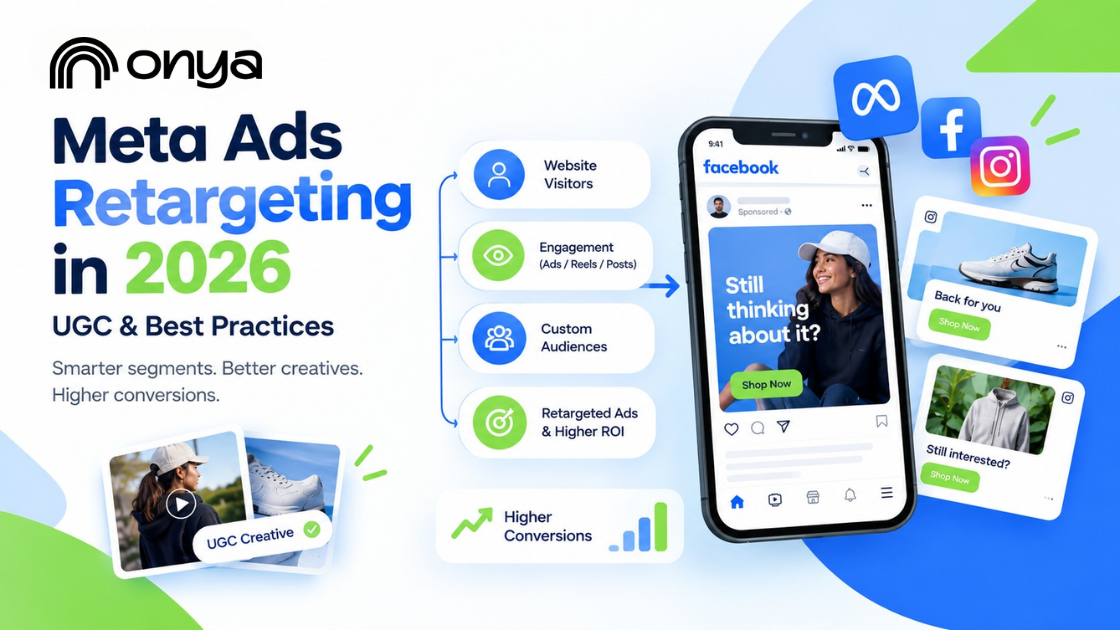
Why Retargeting Should Be a Core Part of Your Marketing Strategy

If you’ve ever browsed a product online only to suddenly see ads for it everywhere afterward, you’ve experienced retargeting in action.

For consumers, retargeting can sometimes feel almost a little too accurate. But for businesses, it remains one of the most effective ways to stay connected with potential customers who already showed interest in a brand. In a digital landscape where attention spans are short and competition is endless, retargeting gives companies another chance to turn interest into action.

The reality is that most people do not convert the first time they visit a website. They may be researching, comparing prices, waiting for approval from a decision-maker, or simply getting distracted. That doesn’t mean they aren’t interested. It just means they aren’t ready yet.

At Onya, we often remind clients that successful marketing is rarely about convincing cold audiences instantly. More often, it’s about staying visible long enough to build trust and remain top-of-mind when the customer is finally ready to make a decision. That’s exactly where retargeting becomes so valuable.

When integrated thoughtfully, retargeting can strengthen nearly every stage of a company’s marketing strategy without feeling overly aggressive or repetitive.

Retargeting Is About Timing, Not Chasing

One of the biggest misconceptions about retargeting is that it’s simply about “following people around the internet” with ads. While poor retargeting campaigns can absolutely feel that way, effective retargeting is actually much more strategic.

The goal is not to overwhelm users. The goal is to reconnect with people who already engaged with your business in a meaningful way.

Someone who visited your pricing page, watched a product demo, abandoned a cart, or spent several minutes reading your services page has already shown intent. They’ve essentially raised their hand and indicated some level of interest. Retargeting allows your brand to continue that conversation instead of letting the opportunity disappear.

Timing matters tremendously here. Consumers are constantly distracted by emails, meetings, notifications, and competing priorities. A potential customer may genuinely intend to return to your website later but forget entirely by the next day. Retargeting helps bridge that gap.

Done correctly, retargeting feels less like an interruption and more like a reminder.

The Best Retargeting Strategies Start with Audience Segmentation

One of the biggest mistakes companies make is treating all website visitors the same.

A first-time visitor who spent ten seconds on your homepage should not receive the same messaging as someone who downloaded a whitepaper or abandoned a nearly completed checkout process. Yet many businesses create broad retargeting audiences and deliver identical ads to everyone.

That usually leads to wasted budget and lower engagement.

The strongest retargeting strategies are built around audience intent. Companies should think carefully about how different users interact with their brand and what message would be most relevant to them at that stage.

For example, someone who visited a blog article may benefit from educational content or a case study. Someone who abandoned a shopping cart may respond better to urgency, customer reviews, or a limited-time offer. A returning visitor who repeatedly checks pricing pages may simply need reassurance or social proof before making a decision.

Retargeting becomes far more effective when it feels personalized rather than generic.

This is especially important as digital consumers become more aware of how advertising works. People are increasingly willing to engage with relevant ads, but they quickly tune out messaging that feels repetitive or disconnected from their actual interests.

Creative Matters More Than Most Brands Realize

Many companies focus heavily on audience setup and platform targeting while overlooking the actual ad creative itself. But retargeting creative often determines whether campaigns feel helpful or annoying.

If users repeatedly see the exact same ad for weeks, fatigue sets in quickly. Even interested customers can become irritated if the messaging never evolves.

Retargeting creative should feel dynamic and intentional. That doesn’t necessarily mean companies need dozens of elaborate ad variations, but messaging should align with the user journey.

For example, early-stage retargeting may focus on brand awareness and education, while later-stage campaigns might highlight testimonials, pricing advantages, or direct calls-to-action.

Visual variety also matters. Rotating creative assets helps prevent ads from blending into the background. Video content, customer stories, product demonstrations, and lifestyle imagery can all serve different purposes depending on the audience segment.

At Onya, we often encourage brands to think about retargeting less like repetitive advertising and more like continuing a conversation. The messaging should evolve naturally as the customer moves closer to a decision.

Retargeting Works Best Across Multiple Channels

A common mistake businesses make is relying on a single retargeting platform.

Many companies start with social media retargeting because it’s relatively easy to launch. Platforms like Facebook, Instagram, and LinkedIn offer strong audience targeting capabilities and accessible ad formats. But limiting retargeting to social alone can leave opportunities on the table.

Consumers move across platforms constantly throughout the day. Someone may discover your brand through a search engine, browse products on mobile, watch videos on social media, and later revisit your site from a desktop computer at work.

The strongest retargeting strategies recognize this behavior and create consistency across channels.

Display ads, email marketing, video advertising, paid social, and even connected TV can work together to reinforce messaging without relying too heavily on any one platform. Multi-channel retargeting helps brands remain visible in a more natural way because users encounter the messaging in different contexts rather than seeing the same exact ad repeatedly in one feed.

Consistency becomes especially important for businesses with longer sales cycles. B2B companies, healthcare organizations, financial services brands, and high-ticket consumer products often require multiple touchpoints before conversion occurs.

Retargeting helps maintain momentum during that decision-making process.

Privacy Changes Are Reshaping Retargeting

Retargeting today looks different than it did even a few years ago.

Privacy regulations, cookie restrictions, and platform tracking limitations have forced marketers to rethink how they collect and use audience data. Companies can no longer rely entirely on third-party tracking systems the way they once did.

This shift has made first-party data significantly more valuable.

Brands that actively collect customer data through email subscriptions, CRM systems, loyalty programs, gated content, and direct customer interactions are now in a much stronger position. These audiences are often more reliable, more accurate, and more sustainable long-term than relying solely on third-party website tracking.

The companies adapting best to these privacy changes are the ones building direct relationships with their audiences instead of depending entirely on platform algorithms.

Retargeting is still incredibly effective, but the strategy behind it has become more sophisticated.

Retargeting Should Support the Entire Customer Journey

Some businesses think of retargeting purely as a bottom-of-funnel conversion tactic. While it certainly performs well there, its value extends much further.

Retargeting can reinforce brand credibility, educate users, nurture leads, encourage repeat purchases, and strengthen customer loyalty. In many cases, it serves as the connective tissue between multiple marketing channels.

For example, a user may first discover your brand through organic content, later encounter a retargeting ad highlighting customer testimonials, receive an email offer a few days later, and finally convert after watching a video case study. No single touchpoint deserves all the credit. The conversion happened because the marketing ecosystem worked together cohesively.

That’s why the best retargeting strategies are integrated into the broader marketing plan rather than treated as a standalone tactic.

At Onya, we view retargeting as one of the most valuable tools for improving overall marketing efficiency. Instead of constantly chasing entirely new audiences, retargeting helps brands maximize the value of the traffic and attention they’ve already earned.

Retargeting remains one of the most effective ways for companies to stay connected with interested audiences in an increasingly crowded digital environment. But successful retargeting is no longer just about placing ads in front of previous website visitors.

Today’s consumers expect relevance, personalization, and authenticity. The brands that succeed with retargeting are the ones that understand customer behavior, adapt messaging thoughtfully, and integrate campaigns into a broader cross-channel strategy.

When done well, retargeting doesn’t feel invasive. It feels timely, useful, and consistent.

And in a world where consumers are constantly distracted and competition is everywhere, staying meaningfully visible can make all the difference.

Why Retargeting Should Be a Core Part of Your Marketing Strategy
July 6, 2026

Instagram’s New AI Creator Labels: What They Mean for Users, Brands, and the Future of Content

If you’ve spent any time scrolling through Instagram lately, you may have noticed a new type of label appearing on certain posts: “Made with AI” or other AI-related disclosures attached to images, videos, and creative content. While the average user might scroll past these without much thought, the rollout of AI creator labels marks a pretty significant shift in how social platforms are preparing for the future of online content.

For creators, brands, marketers, and everyday users, these labels raise a lot of important questions. How does Instagram determine what content is AI-generated? Will users trust AI-assisted content less? And perhaps the biggest question of all: what happens when artificial intelligence becomes so common in content creation that it’s nearly impossible to tell what’s real and what isn’t?

At Onya, we’ve been watching this evolution closely because it’s already impacting how businesses approach social media marketing, influencer partnerships, and audience trust. AI tools are no longer niche. They’re mainstream. Instagram’s new labeling system is essentially the platform acknowledging that reality publicly.

Why Instagram Introduced AI Labels

The short answer is transparency.

AI-generated content has exploded over the past two years. Tools can now create hyper-realistic photos, clone voices, generate scripts, produce video avatars, and even simulate influencers that don’t actually exist. While some of this technology is exciting and creative, it also creates confusion for users who may not know whether what they’re seeing is authentic.

Instagram’s parent company, Meta, has made it clear that they want users to understand when AI is heavily involved in content creation. The company has faced increasing pressure from regulators, creators, and the public to create more transparency around manipulated media.

In many ways, these labels are Instagram trying to get ahead of a growing issue before it becomes unmanageable.

Social media has always blurred the lines between reality and curation. Filters, editing apps, and staged content have been part of the ecosystem for years. But AI introduces an entirely different level of sophistication. Someone can now generate a realistic travel photo without ever leaving their house or create a spokesperson video without hiring a real person.

That changes the relationship between audiences and content.

What Counts as AI-Generated Content?

This is where things start to get a little messy.

Instagram’s AI labels generally apply when content has been significantly created or altered using artificial intelligence tools. That could include:

  • AI-generated images
  • Synthetic video
  • Voice cloning
  • Digitally altered scenes
  • AI-assisted creative edits

However, the line between “AI-assisted” and “AI-generated” is becoming increasingly blurry.

Many creators already use AI in small ways without even thinking about it. Automatic captioning, photo enhancement tools, background removal, and editing suggestions all rely on machine learning in some form. Most users probably don’t consider those examples to be “AI content.”

The bigger focus seems to be on content where AI substantially changes reality or creates media that didn’t previously exist.

Still, enforcement won’t be perfect. Some creators will voluntarily disclose AI usage, while others may try to avoid labels entirely. Instagram is reportedly using metadata and detection systems to identify AI-created assets automatically, but those systems are far from flawless.

That means users should probably expect some inconsistencies early on.

What This Means for Everyday Instagram Users

For the average person scrolling Instagram after work or during lunch, the most immediate impact is awareness.

Users are being encouraged to think more critically about the content they consume. That stunning influencer video? Maybe AI-assisted. That perfectly composed product shot? Possibly generated entirely by software. That celebrity endorsement clip? Potentially synthetic.

In some ways, this could actually improve the social media experience over time.

For years, users have compared themselves to highly curated and heavily edited content without fully realizing how manipulated it often was. AI labels may help people better understand that not everything online reflects reality.

At the same time, there’s a risk of “label fatigue.” If AI disclosures become too common, users may eventually ignore them altogether. Similar things happened with sponsored content hashtags and ad disclosures. What initially felt important slowly became background noise.

Trust will likely become one of the biggest differentiators moving forward. Creators who maintain authenticity and transparency may stand out more as AI-generated content becomes increasingly common.

The Impact on Influencers and Content Creators

For influencers, creators, and brands, Instagram’s labeling system introduces a new layer of strategy.

Some creators are embracing AI openly. They’re using tools to speed up editing, generate concepts, improve production quality, or experiment creatively. Others worry that AI labels could reduce audience trust or hurt engagement.

There’s probably truth somewhere in the middle.

Most audiences don’t necessarily mind AI assistance when it enhances creativity or production value. What people tend to dislike is deception. If followers feel misled or manipulated, trust can disappear quickly.

This creates an interesting shift in creator culture. Authenticity has been a major buzzword in influencer marketing for years, but AI may redefine what authenticity actually means online.

Does authentic content require zero AI involvement? Probably not.

But audiences will likely expect creators to be honest about how they use these tools, especially when AI significantly alters reality.

Brands should pay close attention here. Companies partnering with influencers may soon need clearer guidelines about AI-generated content disclosures, particularly in regulated industries or sponsored campaigns.

Why Brands and Marketers Should Care

For businesses, Instagram’s AI labels aren’t just a platform update. They’re part of a much larger trend around digital trust.

Consumers are becoming more skeptical online. Deepfakes, misinformation, fake reviews, and synthetic media have made audiences more cautious about what they believe. Platforms know this, and they’re trying to build systems that maintain credibility before trust erodes further.

For marketers, that means transparency is becoming increasingly valuable.

At Onya, we believe the brands that will succeed in this next era of social media are the ones that use AI responsibly while remaining human in their messaging. AI can absolutely improve workflows, speed up content production, and help teams scale creative efforts. But audiences still connect most strongly with genuine storytelling and relatable experiences.

The brands that lean too heavily into artificial-looking content may struggle to build long-term loyalty, especially if consumers begin associating AI-heavy marketing with inauthenticity.

Ironically, as AI content becomes easier to create, real human connection may become even more valuable.

The Bigger Picture: Social Media Is Entering a New Era

Instagram’s AI labels are likely just the beginning.

We’re moving toward a future where nearly every major platform will need systems for identifying synthetic content. Governments around the world are already discussing regulations related to AI disclosure, especially concerning political advertising, misinformation, and consumer protection.

Meanwhile, AI tools themselves are becoming more advanced almost monthly.

Eventually, users may not simply ask whether content is “real.” They may ask how much of it is real.

That represents a major cultural shift for the internet.

Social media platforms built their entire ecosystems around user-generated content and personal expression. AI changes the definition of both. When software can generate people, voices, environments, and personalities instantly, platforms have to rethink how authenticity works altogether.

Instagram’s labels are essentially an early attempt to create some guardrails before the technology fully outpaces public understanding.

Instagram’s new AI creator labels may seem like a small feature update on the surface, but they signal something much bigger happening across digital marketing and social media.

We’re entering an era where transparency, authenticity, and trust are becoming central to online engagement again. AI isn’t going away — in fact, it will likely become embedded in almost every aspect of content creation. The challenge for creators and brands will be finding the balance between innovation and authenticity.

For users, these labels are a reminder to consume content thoughtfully. For businesses, they’re a signal that audiences are paying closer attention to what feels genuine online.

And for marketers, this is the beginning of a completely new chapter in digital storytelling.

Instagram’s New AI Creator Labels: What They Mean for Users, Brands, and the Future of Content
June 22, 2026

AI Didn’t Replace Agencies — It Exposed the Bad Ones

For the past few years, AI has dominated nearly every marketing conversation—and for good reason. It’s faster, more scalable, and more accessible than anything we’ve seen before. But somewhere along the way, the narrative got a little off track.

AI didn’t replace marketing agencies.

It revealed which ones were never that strong to begin with.

At Onya, we’ve been watching this shift closely. What’s happening right now isn’t a mass extinction of agencies—it’s a separation. A clear divide between those who bring real strategic thinking to the table and those who were relying on manual effort, guesswork, or surface-level tactics to stay relevant.

For businesses evaluating their current marketing partner, this moment is telling. The cracks are easier to see now.

The Rise of “Easy” Marketing — And Why It Backfired

AI has made marketing execution dramatically easier. What used to take days can now be done in minutes. Campaign assets can be generated at scale, content can be produced on demand, and workflows that once required entire teams can now be automated.

On the surface, that sounds like progress—and it is. But it also created an unintended consequence.

When everyone has access to the same tools, execution alone stops being impressive.

Agencies that once stood out because they could produce quickly or operate efficiently are finding it harder to differentiate. Speed is no longer special. Volume is no longer valuable on its own. And cost-efficiency, while still important, is no longer enough to justify a partnership.

In many cases, AI didn’t make these agencies worse. It simply made their limitations more visible.

What AI Actually Exposed

One of the most noticeable gaps has been in strategy. AI is incredibly effective at generating content, but it doesn’t inherently understand a business—its positioning, its audience, or the nuance behind why customers choose one brand over another. Agencies that leaned heavily on templated campaigns or recycled messaging are now finding that their work looks indistinguishable from what AI can produce in seconds.

Stronger agencies have taken a different approach. They’re using AI as a tool to enhance execution, but they’re doubling down on the elements that can’t be automated—clear positioning, thoughtful messaging, and cohesive strategies that connect every stage of the funnel. In this environment, strategy isn’t just important; it’s the only real differentiator.

At the same time, AI has brought more scrutiny to performance. It has never been easier to produce polished reports filled with clean dashboards and impressive-looking metrics. But many businesses are starting to look past surface-level indicators and ask a more important question: is this actually driving revenue?

This shift has exposed agencies that rely too heavily on vanity metrics. High engagement and strong click-through rates don’t mean much if they don’t translate into pipeline or growth. As content production becomes easier, outcomes matter more than ever.

Another area that’s come into focus is the industry’s growing obsession with tools. Over the past few years, the number of AI-powered platforms has exploded, and many agencies have built their messaging around them. But leading with tools instead of outcomes has created confusion for clients. Businesses don’t need more software—they need clarity, direction, and results.

Then there’s the issue of content quality. AI-generated content is everywhere, and much of it sounds the same. Without strong guidance, it tends to default to safe, predictable language that fails to stand out. Brands that rely too heavily on this kind of content risk blending into the background, losing the distinct voice that sets them apart. Original thinking, perspective, and emotional connection still matter—and they can’t be outsourced entirely to automation.

What Good Agencies Are Doing Differently in 2026

The agencies that are thriving right now didn’t resist AI. They embraced it—but with intention.

Instead of handing over the reins completely, they’re using AI to move faster and work smarter while keeping strategic decisions firmly human-led. It’s not about replacing people; it’s about removing inefficiencies so more time can be spent on higher-impact work.

There’s also been a noticeable shift in what these agencies prioritize. Rather than focusing on activity—how many campaigns launched or how much content was produced—they’re tying their efforts directly to business outcomes. Conversations have moved beyond impressions and engagement toward pipeline, customer acquisition costs, and long-term value.

Flexibility has become another defining trait. Marketing in 2026 doesn’t sit still for long. Platforms evolve, algorithms change, and consumer behavior continues to shift. The strongest agencies aren’t building rigid, set-it-and-forget-it strategies. They’re creating frameworks that can adapt quickly without losing direction.

Perhaps most importantly, they’re redefining what it means to be an agency partner. The relationship is no longer transactional. Instead of simply executing tasks, they’re contributing ideas, challenging assumptions, and taking ownership of results. There’s a level of accountability and collaboration that goes beyond campaign management—it’s about helping move the business forward in a meaningful way.

A Moment of Clarity for Businesses

For many organizations, this shift has created a moment of reflection. Marketing may still be running, campaigns may still be active, and reports may still be delivered on time—but something feels off. Growth isn’t where it should be. Results feel inconsistent. There’s a sense that more is happening, but less is being achieved.

That disconnect is often where the problem lies.

When execution becomes easier, it’s tempting to assume that more output will lead to better outcomes. But without a strong strategic foundation, more activity can simply mean more noise. AI has made that reality harder to ignore.

AI didn’t eliminate the need for marketing agencies. If anything, it made the right agency more valuable than ever.

Because when execution becomes accessible to everyone, thinking becomes the differentiator.

At Onya, we believe the future of marketing isn’t about choosing between human expertise and AI—it’s about combining them in a way that actually drives results. That starts with strategy, stays grounded in business outcomes, and uses technology as an enabler rather than a crutch.

The gap between good and bad agencies is only getting wider. And in our digital sphere, it’s never been easier to see where your current partner stands.

If your marketing feels like it’s moving—but not progressing—it may not be a question of tools or tactics. It may be time to take a closer look at the strategy behind it—and the team responsible for driving it forward.

AI Didn’t Replace Agencies — It Exposed the Bad Ones
June 15, 2026

TikTok in 2026: What’s Changed—and How Your Brand Should Adapt

If you feel like TikTok looks a little different lately, you’re not imagining it. What started as a platform driven by viral dances and trending audio has evolved into something much bigger—and more complex. In 2026, TikTok isn’t just a discovery engine; it’s a full-funnel marketing channel where brands can build awareness, drive consideration, and convert customers all in one place.

At Onya, we’ve been watching this shift closely, and one thing is clear: the brands that succeed on TikTok today are the ones willing to adapt quickly. What worked even a year ago isn’t guaranteed to work now. If your strategy hasn’t evolved, your results probably haven’t either.

Let’s break down what’s changed—and what your business should be doing about it.

TikTok Has Become a Search Engine

One of the biggest shifts on TikTok is how people use it. It’s no longer just about scrolling—it’s about searching.

Users are actively typing in queries like “best skincare for acne,” “affordable work outfits,” or “how to meal prep for the week.” TikTok has quietly become a go-to platform for discovery, especially among younger audiences who are skipping traditional search engines altogether.

For businesses, this means your content needs to be discoverable—not just entertaining. Captions, on-screen text, and even spoken words now play a role in how your content surfaces in search.

If you’re not thinking about keywords when creating TikTok content, you’re missing a major opportunity. The brands winning right now are treating TikTok more like a hybrid of social media and SEO.

Polished Ads Are Out—Authenticity Is Non-Negotiable

If your content still looks like a traditional ad, it’s probably underperforming.

TikTok users have become incredibly skilled at spotting overly polished, overly branded content—and they scroll past it just as quickly. In 2026, authenticity isn’t just preferred, it’s expected.

This doesn’t mean your content has to be low-quality. It means it needs to feel real. Think less “production shoot” and more “captured in the moment.” Founders talking directly to camera, quick product demos, behind-the-scenes clips, and user-generated content all tend to outperform highly produced ads.

At Onya, we often tell clients: don’t aim to look like a brand—aim to look like a creator. That shift alone can dramatically improve engagement and conversion rates.

The Algorithm Is Prioritizing Watch Time and Retention

TikTok’s algorithm has matured, and with that comes a stronger emphasis on how long people actually watch your content—not just whether they interact with it.

Watch time and retention have become critical signals. If viewers drop off in the first few seconds, your content is unlikely to be pushed further. On the flip side, videos that keep people watching (or rewatching) are rewarded with more distribution.

This means your hook matters more than ever. You have a very short window—often just one to two seconds—to capture attention and give viewers a reason to stay.

Strong openings, fast pacing, and clear value upfront are no longer optional. They’re the difference between a video that stalls and one that scales.

TikTok Is Now a Serious E-Commerce Player

TikTok Shop and in-app purchasing have transformed the platform into a legitimate e-commerce channel. Users don’t just discover products—they buy them without ever leaving the app.

This has major implications for businesses. Your content isn’t just about awareness anymore; it’s directly tied to revenue.

Product-focused content, live shopping events, and creator partnerships are driving real sales. But the key is integration. Hard-selling rarely works. The most effective content we’re seeing blends entertainment and product naturally—showing how something fits into real life rather than pushing it aggressively.

If you’re not exploring TikTok as a direct sales channel yet, you’re likely leaving revenue on the table.

Creators Are Driving More Value Than Brands

Another major shift in 2026 is the growing influence of creators—not just influencers with massive followings, but everyday creators who know how to connect with their audience.

Users trust people more than brands, and TikTok’s algorithm reflects that. Creator-led content consistently outperforms brand-owned content in both reach and engagement.

That doesn’t mean your brand shouldn’t post—it means you should rethink how you collaborate. Partnering with creators who align with your audience and letting them communicate your message in their own voice is often far more effective than trying to control every detail.

The brands seeing the best results are the ones giving creators creative freedom while staying aligned on messaging and goals.

Consistency Matters More Than Virality

For years, TikTok was associated with overnight virality. While that still happens, it’s no longer the only path to success.

In 2026, consistency is outperforming one-hit wonders. Regular posting, iterative testing, and gradual improvement are what drive sustainable growth.

Instead of chasing viral moments, brands should focus on building a content system. That means producing consistently, analyzing performance, and refining what works over time.

At Onya, we often remind clients that TikTok success isn’t about a single video—it’s about momentum. And momentum comes from showing up regularly with thoughtful, data-driven content.

Paid and Organic Strategies Are Blending Together

The line between organic and paid content on TikTok has blurred significantly.

What works organically often works best in paid campaigns—and vice versa. Many of the highest-performing ads look like organic posts, while top organic content is frequently amplified through paid spend.

This means your strategy shouldn’t treat organic and paid as separate efforts. Instead, they should inform each other.

Test content organically, identify what resonates, and then scale it with paid support. This approach reduces guesswork and improves efficiency, especially as competition on the platform increases.

How Businesses Should Adjust Moving Forward

So what does all of this mean for your business?

First, it’s time to rethink your content strategy. Focus on creating content that is searchable, engaging, and authentic. Prioritize storytelling and value over production quality.

Second, embrace experimentation. TikTok rewards brands that are willing to test, learn, and adapt quickly. What works today may not work next month—and that’s part of the process.

Third, invest in creators. Whether through partnerships or by building internal creator-style content, this is where much of the platform’s power lies.

Finally, align your efforts with business outcomes. TikTok is no longer just a top-of-funnel channel. It can—and should—drive measurable results across the entire customer journey.

TikTok in 2026 is more sophisticated, more competitive, and more opportunity-rich than ever before. But with that opportunity comes a need to evolve.

The brands that succeed won’t be the ones clinging to outdated strategies—they’ll be the ones paying attention, adapting quickly, and leaning into how the platform actually works today.

At Onya, we see TikTok as one of the most dynamic tools in modern marketing. When approached thoughtfully, it’s not just a place to create content—it’s a place to build real momentum for your business.

And right now, that momentum is there for the brands willing to meet the moment.

TikTok in 2026: What’s Changed—and How Your Brand Should Adapt
June 8, 2026

Is It Time for a New Marketing Agency? What Great Partners Do Differently

Choosing a marketing agency is a big decision. You’re not just hiring someone to run campaigns—you’re trusting a partner to help grow your business, represent your brand, and make smart decisions with your budget. When that partnership works, it’s powerful. When it doesn’t, it can quietly hold you back.

At Onya, we’ve seen both sides: clients coming to us after frustrating agency experiences, and long-term partnerships that thrive because expectations and behaviors are aligned. If you’re wondering whether your current agency is the right fit—or what you should be looking for—there are a few key behaviors that separate great agencies from the rest.

They Focus on Outcomes, Not Just Activity

A good agency doesn’t just tell you what they did—they tell you what it accomplished.

If your current agency is reporting on impressions, clicks, and general engagement without tying those metrics back to real business outcomes, that’s a red flag. Activity is easy to generate. Results take strategy.

Strong agency partners focus on what actually matters: leads, revenue, return on ad spend, cost efficiency, and growth over time. They connect the dots between marketing efforts and business impact, and they’re transparent about what’s working—and what isn’t.

If you regularly find yourself asking, “But what are we actually getting from this?” it may be time to reevaluate.

Communication Feels Proactive, Not Reactive

One of the clearest indicators of a great agency is how they communicate.

Are they bringing you ideas before you ask for them? Are they flagging potential issues early? Do they explain performance clearly without hiding behind jargon?

You shouldn’t feel like you’re chasing your agency for updates or clarity. A strong partner keeps you informed, educated, and confident in the direction of your marketing.

On the flip side, if communication feels inconsistent, surface-level, or overly reactive, it creates friction—and often signals a lack of strategic ownership.

They’re Willing to Challenge You (Respectfully)

This one surprises people, but it’s critical: a great agency doesn’t just say “yes” to everything.

Your agency should act as a strategic partner, not an order-taker. That means pushing back when something doesn’t align with your goals, offering alternative ideas, and helping you prioritize what will actually move the needle.

If your agency agrees with every suggestion—even when results aren’t improving—it may mean they’re more focused on keeping the peace than driving performance.

The best partnerships involve healthy, respectful tension. That’s where better ideas come from.

Strategy Comes Before Tactics

Running ads, posting content, and launching campaigns are all important—but without a clear strategy, they’re just disconnected efforts.

A strong agency starts with the “why” before jumping into the “what.” They take time to understand your business model, audience, competitive landscape, and goals. From there, they build a plan that aligns with your growth objectives.

If your current agency seems to jump straight into execution without a clear roadmap—or if every recommendation feels like a one-off idea—it may be a sign that strategy is missing.

And without strategy, consistency and scalability are hard to achieve.

They Adapt and Evolve (Without Constant Fire Drills)

Digital marketing changes fast. Algorithms shift, platforms evolve, and consumer behavior is always moving. Your agency should be keeping up—and adjusting accordingly.

But there’s a difference between thoughtful optimization and constant chaos.

A great agency tests, learns, and refines based on data. They make intentional adjustments, not knee-jerk reactions. They also communicate why changes are being made, so you’re never left in the dark.

If your campaigns feel unstable, constantly changing without clear reasoning—or stuck in the same patterns despite poor performance—it’s worth asking whether your agency is truly optimizing or just reacting.

Transparency Isn’t Optional

You should never feel like you’re only seeing part of the picture.

From ad performance to budget allocation to challenges within the account, transparency is non-negotiable in a healthy agency relationship. That doesn’t mean everything is always perfect—but it does mean you’re getting honest insights and clear explanations.

If reporting feels vague, overly polished, or avoids difficult conversations, it’s a sign that trust may be lacking.

At Onya, we believe clients should always know where things stand—because that’s how real progress happens.

You Feel Like a Priority—Not an Afterthought

This one is less about data and more about experience.

Do you feel like your business matters to your agency? Are they invested in your success? Do they show up prepared, engaged, and thoughtful in meetings?

Or does it feel like you’re just another account on a long list?

While agencies juggle multiple clients, the best ones make each partnership feel intentional. They understand your brand, remember your goals, and treat your growth as something worth caring about.

If that level of attention is missing, it can impact both performance and trust over time.

Knowing When It’s Time to Move On

Not every agency relationship is meant to last forever—and that’s okay. What matters is recognizing when the partnership is no longer serving your business.

If you’re consistently seeing stagnant or declining performance without a clear path forward, that’s a major signal. The same goes for poor communication, lack of strategic direction, or feeling disconnected from your own marketing efforts.

Another common sign? You’ve stopped feeling confident in their decisions. Even if results aren’t perfect, you should still trust the thinking behind them. When that trust erodes, it’s hard to move forward productively.

And sometimes, it’s simpler than that—you’ve outgrown them. Your business has evolved, but your agency hasn’t kept pace.

What to Look for in Your Next Agency Partner

If you do decide it’s time to explore new options, don’t just look for a “better version” of what you had—look for a different approach.

Prioritize agencies that ask thoughtful questions, show genuine curiosity about your business, and speak in terms of outcomes rather than deliverables. Look for clear communication, strategic thinking, and a willingness to be both collaborative and honest.

Most importantly, look for a team that feels like a partner—not just a vendor.

A great marketing agency doesn’t just execute tasks—they help drive your business forward. They bring clarity, accountability, and strategic insight to the table, while making you feel supported and informed along the way.

At Onya, we believe the best partnerships are built on trust, transparency, and shared goals. If your current agency isn’t delivering on those fundamentals, it may not be about fixing small issues—it may be about finding a better fit.

Because when the right partnership is in place, everything works better—and growth becomes a whole lot easier to achieve.

Is It Time for a New Marketing Agency? What Great Partners Do Differently
June 1, 2026

Why Your Instagram Ads Aren’t Delivering (And How to Fix It Fast)

If your Instagram ads aren’t delivering—or they’ve suddenly stalled—it can feel like you’re throwing money into a black hole. One minute everything’s running smoothly, and the next… nothing. No impressions, no clicks, no conversions.

At Onya, we’ve worked with enough campaigns to know this isn’t random and there are usually a couple culprits! When Instagram ads don’t deliver, it’s usually a signal that something in your setup is misaligned with how the platform prioritizes and distributes ads. The upside? Once you know what to look for, you can fix it—and often improve performance in the process.

Your Audience Might Be Too Narrow

One of the most common issues we see is overly restrictive targeting. It’s tempting to layer multiple interests, behaviors, and demographics to “hone in” on your ideal customer. But in reality, this often limits delivery.

Instagram’s algorithm thrives on flexibility. If your audience is too small, the platform simply doesn’t have enough opportunities to place your ad. Broadening your audience—even slightly—can unlock delivery almost immediately. In many cases, a wider audience actually leads to better performance because the algorithm has more room to optimize.

If you’re unsure, start by removing a few targeting layers or testing a broader audience alongside your current one.

Budget and Bidding Could Be Holding You Back

Even a well-structured campaign can struggle if the budget or bid strategy is too restrictive. If your daily budget is too low, Instagram may have trouble exiting the learning phase or competing effectively in the ad auction.

The same goes for aggressive bid caps. If you’ve set a cap that’s too low, your ad simply won’t win placements—no matter how good it is.

A small increase in budget or loosening your bid constraints can make a big difference. You don’t need to double your spend overnight, but giving your campaign more flexibility often leads to more consistent delivery and faster optimization.

Your Creative Isn’t Competitive Enough

Instagram is a crowded space, and your ad is competing with everything from influencers to viral videos. If your creative doesn’t stand out quickly, delivery can clearly suffer.

This doesn’t mean your ad is “bad”—it just might not be engaging enough for the platform’s standards. Strong creative should grab attention within the first second or two, communicate value clearly, and feel native to the feed.

We often recommend shifting your mindset from “polished ad” to “engaging content.” Short-form video, authentic visuals, and clear, benefit-driven messaging tend to outperform traditional ad formats. Even small tweaks—like a stronger hook or faster pacing—can improve both delivery and conversion rates.

Your Campaign Objective May Be Misaligned

Choosing the wrong campaign objective can quietly derail your results. Instagram optimizes delivery based on the goal you select, so if there’s a mismatch, performance can suffer.

For example, if you’re running a traffic campaign but actually want purchases, the platform will prioritize users who click—not necessarily those who convert. This can lead to weak results and, in some cases, limited delivery if the algorithm struggles to find the right users.

Switching to a conversions-focused objective (with proper tracking in place) helps Instagram optimize for actions that actually matter to your business.

Tracking Issues Can Stall Performance

Your data is what fuels Instagram’s optimization engine. If your tracking isn’t set up correctly, the platform doesn’t have the information it needs to deliver your ads effectively.

This is where your pixel and event tracking come into play. If events aren’t firing properly—or aren’t prioritized correctly—your campaign can stall or underperform.

Take the time to audit your tracking setup. Make sure key events are firing consistently and that your conversion signals are clear. Fixing even a small issue here can have a major impact on both delivery and results.

Placements Might Be Too Limited

Manual placements can sometimes do more harm than good—especially if you’re trying to get a campaign off the ground. By limiting where your ads can appear, you’re also limiting delivery opportunities.

Automatic placements are usually the best approach, particularly in the early stages of a campaign. They allow Instagram to distribute your budget across feeds, Stories, and Reels based on where it sees the best performance potential.

Once your campaign is stable, you can always refine placements based on actual data.

Account Health and Approval Status Matter

It sounds simple, but it’s worth checking: if your ads aren’t approved, they won’t deliver. Even beyond outright rejections, ads that are flagged or stuck in review can experience delays or limited reach.

Your account’s overall health also plays a role. Policy violations or inconsistent activity can impact how quickly and widely your ads are delivered.

A quick audit of your account status and ad compliance can help rule out these hidden blockers.

Sometimes You Need a Reset

If you’ve made multiple tweaks and your ads still aren’t delivering, it might be time for a reset. This doesn’t mean starting from scratch—but it does mean making a meaningful change.

Duplicating your campaign with updated creative, a broader audience, and a slightly higher budget can signal a fresh start to the algorithm. Think of it as giving Instagram a new opportunity to evaluate and optimize your ad.

This approach often works when incremental changes haven’t moved the needle.

Give the Algorithm Time to Work

One of the biggest mistakes advertisers make is changing things too quickly. Every time you adjust targeting, budget, or creative, the algorithm needs time to relearn.

If you’re constantly tweaking your campaign, you may be unintentionally delaying delivery. Once you’ve made strategic updates, give your ads a few days to stabilize before making additional changes.

Patience isn’t always easy—but it’s often necessary for performance. This is also a good reminder to work early on to set up campaigns right the first time so you don’t keep having to reconfigure and start again. 

At Onya, we don’t see delivery issues as failures—we see them as signals. Every underperforming campaign is an opportunity to refine, optimize, and ultimately improve results.

When you focus on the fundamentals—audience flexibility, realistic budgets, compelling creative, and clean tracking—you can usually get your ads back on track quickly. And in many cases, they come back stronger than before.

If your Instagram ads aren’t delivering, don’t panic. With the right adjustments and a more strategic approach, you can turn a stalled campaign into one that not only delivers—but converts faster and more efficiently.

Why Your Instagram Ads Aren’t Delivering (And How to Fix It Fast)