
Blog

Expert insights on digital advertising, strategy, and growth

background decorative graphicbackground decorative graphic
Marketing Insights
June 22, 2026

AI Didn’t Replace Agencies — It Exposed the Bad Ones

For the past few years, AI has dominated nearly every marketing conversation—and for good reason. It’s faster, more scalable, and more accessible than anything we’ve seen before. But somewhere along the way, the narrative got a little off track.

AI didn’t replace marketing agencies.

It revealed which ones were never that strong to begin with.

At Onya, we’ve been watching this shift closely. What’s happening right now isn’t a mass extinction of agencies—it’s a separation. A clear divide between those who bring real strategic thinking to the table and those who were relying on manual effort, guesswork, or surface-level tactics to stay relevant.

For businesses evaluating their current marketing partner, this moment is telling. The cracks are easier to see now.

The Rise of “Easy” Marketing — And Why It Backfired

AI has made marketing execution dramatically easier. What used to take days can now be done in minutes. Campaign assets can be generated at scale, content can be produced on demand, and workflows that once required entire teams can now be automated.

On the surface, that sounds like progress—and it is. But it also created an unintended consequence.

When everyone has access to the same tools, execution alone stops being impressive.

Agencies that once stood out because they could produce quickly or operate efficiently are finding it harder to differentiate. Speed is no longer special. Volume is no longer valuable on its own. And cost-efficiency, while still important, is no longer enough to justify a partnership.

In many cases, AI didn’t make these agencies worse. It simply made their limitations more visible.

What AI Actually Exposed

One of the most noticeable gaps has been in strategy. AI is incredibly effective at generating content, but it doesn’t inherently understand a business—its positioning, its audience, or the nuance behind why customers choose one brand over another. Agencies that leaned heavily on templated campaigns or recycled messaging are now finding that their work looks indistinguishable from what AI can produce in seconds.

Stronger agencies have taken a different approach. They’re using AI as a tool to enhance execution, but they’re doubling down on the elements that can’t be automated—clear positioning, thoughtful messaging, and cohesive strategies that connect every stage of the funnel. In this environment, strategy isn’t just important; it’s the only real differentiator.

At the same time, AI has brought more scrutiny to performance. It has never been easier to produce polished reports filled with clean dashboards and impressive-looking metrics. But many businesses are starting to look past surface-level indicators and ask a more important question: is this actually driving revenue?

This shift has exposed agencies that rely too heavily on vanity metrics. High engagement and strong click-through rates don’t mean much if they don’t translate into pipeline or growth. As content production becomes easier, outcomes matter more than ever.

Another area that’s come into focus is the industry’s growing obsession with tools. Over the past few years, the number of AI-powered platforms has exploded, and many agencies have built their messaging around them. But leading with tools instead of outcomes has created confusion for clients. Businesses don’t need more software—they need clarity, direction, and results.

Then there’s the issue of content quality. AI-generated content is everywhere, and much of it sounds the same. Without strong guidance, it tends to default to safe, predictable language that fails to stand out. Brands that rely too heavily on this kind of content risk blending into the background, losing the distinct voice that sets them apart. Original thinking, perspective, and emotional connection still matter—and they can’t be outsourced entirely to automation.

What Good Agencies Are Doing Differently in 2026

The agencies that are thriving right now didn’t resist AI. They embraced it—but with intention.

Instead of handing over the reins completely, they’re using AI to move faster and work smarter while keeping strategic decisions firmly human-led. It’s not about replacing people; it’s about removing inefficiencies so more time can be spent on higher-impact work.

There’s also been a noticeable shift in what these agencies prioritize. Rather than focusing on activity—how many campaigns launched or how much content was produced—they’re tying their efforts directly to business outcomes. Conversations have moved beyond impressions and engagement toward pipeline, customer acquisition costs, and long-term value.

Flexibility has become another defining trait. Marketing in 2026 doesn’t sit still for long. Platforms evolve, algorithms change, and consumer behavior continues to shift. The strongest agencies aren’t building rigid, set-it-and-forget-it strategies. They’re creating frameworks that can adapt quickly without losing direction.

Perhaps most importantly, they’re redefining what it means to be an agency partner. The relationship is no longer transactional. Instead of simply executing tasks, they’re contributing ideas, challenging assumptions, and taking ownership of results. There’s a level of accountability and collaboration that goes beyond campaign management—it’s about helping move the business forward in a meaningful way.

A Moment of Clarity for Businesses

For many organizations, this shift has created a moment of reflection. Marketing may still be running, campaigns may still be active, and reports may still be delivered on time—but something feels off. Growth isn’t where it should be. Results feel inconsistent. There’s a sense that more is happening, but less is being achieved.

That disconnect is often where the problem lies.

When execution becomes easier, it’s tempting to assume that more output will lead to better outcomes. But without a strong strategic foundation, more activity can simply mean more noise. AI has made that reality harder to ignore.

AI didn’t eliminate the need for marketing agencies. If anything, it made the right agency more valuable than ever.

Because when execution becomes accessible to everyone, thinking becomes the differentiator.

At Onya, we believe the future of marketing isn’t about choosing between human expertise and AI—it’s about combining them in a way that actually drives results. That starts with strategy, stays grounded in business outcomes, and uses technology as an enabler rather than a crutch.

The gap between good and bad agencies is only getting wider. And in our digital sphere, it’s never been easier to see where your current partner stands.

If your marketing feels like it’s moving—but not progressing—it may not be a question of tools or tactics. It may be time to take a closer look at the strategy behind it—and the team responsible for driving it forward.

AI Didn’t Replace Agencies — It Exposed the Bad Ones
May 11, 2026

The Real Cost of Waiting Until May to Fix Campaign Performance

Every year, we see a familiar pattern in digital marketing. January and February arrive with fresh budgets, new goals, and ambitious plans. By March, some campaigns aren’t performing quite as expected. Costs might be creeping up, conversion rates may be lower than projected, or audience engagement starts to plateau.

Yet many brands decide to wait.

They wait for more data. They wait for the next quarter. They wait until performance becomes “bad enough” to justify a change. And before they know it, May has arrived—and several months of potential performance gains have quietly slipped away.

At Onya, we often remind brands that one of the most expensive decisions you can make in digital marketing is simply waiting too long to fix what isn’t working.

The Compounding Cost of Underperformance

Digital advertising is not static. Campaigns run every day, budgets are spent every day, and performance trends develop quickly. When a campaign isn’t optimized early, the impact compounds over time.

Let’s say a campaign is running at a cost per acquisition that’s 20% higher than it should be. On the surface, that might not seem like a major issue in February. But when that inefficiency continues for months, the financial impact grows quickly.

Every extra dollar spent on inefficient traffic is a dollar that could have been spent acquiring more customers, expanding reach, or testing new creative strategies. By the time brands begin addressing performance issues in late spring, they may have already missed months of opportunity.

In many cases, the difference between optimizing in February versus waiting until May can mean thousands—or even hundreds of thousands—of dollars in lost efficiency.

Algorithms Need Time to Learn

One of the biggest misconceptions in digital advertising is that improvements can be implemented instantly with immediate results. In reality, most major advertising platforms rely heavily on machine learning to optimize campaign delivery.

When campaigns are adjusted—whether through new audiences, creative updates, or bidding strategies—the platform’s algorithm needs time to gather data and learn. That learning period is critical for improving performance.

If brands delay optimization until May, they’re also delaying the time needed for algorithms to stabilize and improve outcomes. Instead of entering summer with highly optimized campaigns, they’re essentially starting the learning process months later than necessary.

Brands that address performance early give their campaigns more time to refine targeting, identify high-performing creative, and build stronger optimization signals.

Creative Fatigue Happens Faster Than You Think

Another hidden cost of waiting is creative fatigue. Audiences exposed to the same ads repeatedly will eventually stop paying attention. Click-through rates decline, engagement drops, and costs begin to rise.

This doesn’t always happen overnight. It often starts subtly—small declines in engagement that slowly chip away at performance.

If brands wait until May to refresh creative, they may already be dealing with months of declining ad effectiveness. Reintroducing new creative concepts earlier in the year can maintain engagement and prevent those slow performance drops from gaining momentum.

Creative testing should be an ongoing process, not a reaction to a sudden performance problem.

Market Competition Doesn’t Wait

Digital advertising auctions are constantly shifting based on demand. Competitors adjust budgets, launch new campaigns, and experiment with different strategies throughout the year.

When brands delay optimization, they aren’t just standing still—they’re falling behind.

Competitors who refine their campaigns early gain valuable insights into audience behavior, messaging performance, and conversion drivers. By the time late adopters begin making adjustments, others in the market may already be operating with months of data and optimization advantages.

In competitive industries, those small timing differences can have a major impact on overall market share.

Seasonal Opportunities Can Be Missed

Another important factor is timing within the marketing calendar. Many brands see meaningful seasonal shifts in consumer behavior during late spring and early summer.

Travel bookings increase. Retail promotions ramp up. Events, graduations, and weddings drive additional purchasing activity.

If campaigns are still in optimization mode by May, brands may struggle to fully capitalize on these seasonal opportunities. Instead of entering these high-demand periods with well-tuned campaigns, they’re scrambling to fix performance while competitors are scaling what already works.

Early optimization ensures campaigns are stable and ready before seasonal demand spikes.

The Psychological Barrier to Change

So why do brands wait?

Often, it’s not a lack of awareness—it’s hesitation. Teams may want more data before making changes. Stakeholders may worry about disrupting campaigns that are performing “well enough.” Or organizations simply become busy with other priorities.

But in digital marketing, waiting for perfect clarity rarely works. Campaign performance improves through testing, iteration, and incremental adjustments.

The earlier those adjustments begin, the faster insights accumulate.

A Better Approach: Continuous Optimization

At Onya, we encourage brands to shift their mindset from reactive optimization to continuous optimization.

Instead of waiting months to evaluate performance, campaigns should be reviewed regularly. Early signals—whether they involve rising costs, declining engagement, or underperforming audiences—should trigger small experiments and adjustments.

These changes don’t need to be drastic. Often, simple improvements such as refreshing creative, refining audience targeting, or adjusting bidding strategies can produce meaningful gains.

Over time, these incremental improvements add up to substantial performance growth.

The Advantage of Acting Early

The brands that consistently outperform their competitors are rarely the ones with the biggest budgets. More often, they’re the ones that act quickly and learn faster.

By identifying performance issues early in the year, brands gain additional months to test strategies, refine messaging, and improve campaign efficiency. Those early insights build momentum that carries into the rest of the year.

Waiting until May, on the other hand, forces teams into a reactive position—trying to recover lost efficiency while the market continues moving forward.

In digital marketing, timing matters more than many brands realize.

The sooner performance issues are addressed, the sooner campaigns can start working harder for the business. And when optimization begins early, brands don’t just fix problems—they create a stronger foundation for everything that follows.

The Real Cost of Waiting Until May to Fix Campaign Performance
May 4, 2026

Rising CPMs Are the New Normal: How Brands Should Adapt

If you’ve run digital advertising in the past few years, you’ve likely noticed something frustrating: your ad costs keep creeping up. Cost per thousand impressions (CPMs) across major advertising platforms have steadily increased, and for many brands, this has become one of the biggest challenges in maintaining efficient marketing performance.

At first, many advertisers assumed this was a temporary fluctuation. But as we move further into the decade, it’s becoming clear that rising CPMs aren’t a short-term trend—they’re the new normal. Platforms are more competitive, privacy changes have altered the advertising ecosystem, and consumer attention is more fragmented than ever.

The good news? Higher CPMs don’t necessarily mean worse results. Brands that adapt their strategies can still drive strong performance. The key is understanding why CPMs are rising and how to adjust your approach accordingly.

Why CPMs Keep Climbing

The biggest driver of rising CPMs is simple economics: supply and demand. The number of advertisers competing for attention has grown dramatically over the last decade. Digital advertising is no longer just a tool for large brands with massive budgets. Small businesses, startups, creators, and direct-to-consumer brands are all competing in the same auctions.

At the same time, the available ad inventory hasn’t grown at the same pace. Platforms like social media feeds, streaming services, and video platforms can only show so many ads without damaging the user experience. When more advertisers compete for limited space, prices rise.

Privacy changes have also contributed to the shift. Updates such as app tracking restrictions and stricter data policies have made targeting less precise in some environments. When targeting becomes broader, advertisers often need more impressions to reach the right audience. That increased demand further drives up CPMs.

Finally, consumer behavior has changed. People are spending more time online across more platforms than ever before, but their attention is divided. Advertisers must work harder—and often pay more—to capture that attention.

Why Higher CPMs Aren’t Always Bad

While rising CPMs can feel like a negative trend, they don’t automatically mean your campaigns are performing worse. In fact, CPM alone isn’t a reliable measure of success.

What ultimately matters is the cost to achieve your desired outcome—whether that’s conversions, leads, or purchases. A campaign with a high CPM can still be extremely profitable if it drives strong engagement and conversion rates.

For example, many brands find that video-heavy platforms or premium placements carry higher CPMs but also deliver higher-quality traffic. If that traffic converts better, the overall return on ad spend can still improve.

Instead of focusing solely on lowering CPMs, brands should focus on improving efficiency across the entire marketing funnel.

Creative Has Become the Biggest Lever

As targeting becomes less precise and competition increases, creative quality plays a much larger role in advertising performance.

Platforms reward ads that capture attention and drive engagement. When users stop scrolling, watch your video, or interact with your content, the platform’s algorithm recognizes that your ad is valuable to the audience. In many cases, this leads to better delivery and improved performance metrics.

This means brands need to invest more heavily in creative testing. Instead of relying on one or two polished ad concepts, high-performing advertisers constantly test new visuals, messaging, and formats.

The goal is to find creative that resonates strongly with your audience. Even in a high-CPM environment, strong creative can significantly reduce cost per click and cost per acquisition.

First-Party Data Is More Valuable Than Ever

Another key way brands can adapt to rising CPMs is by strengthening their first-party data strategy.

When third-party tracking becomes less reliable, the value of data you collect directly from customers increases dramatically. Email lists, CRM data, loyalty programs, and website engagement signals all help advertisers create more meaningful audience segments.

These audiences can then be used for retargeting campaigns, lookalike modeling, and personalized messaging. Because these users already have some level of connection to your brand, they often convert at a much higher rate than cold audiences.

When impressions are becoming more expensive, reaching the right people matters more than ever.

Diversifying Your Media Mix

Another mistake many brands make is relying too heavily on a single advertising channel. When CPMs rise on one platform, performance can quickly become unpredictable.

Diversifying your media mix can help protect your marketing performance. Testing new channels—whether that’s emerging social platforms, retail media networks, streaming services, or search-based advertising—can open new opportunities to reach your audience.

Different platforms also play different roles in the customer journey. Some channels are excellent for awareness, while others are better for capturing high-intent users who are ready to purchase.

Brands that understand how these channels work together often see better overall performance, even when CPMs rise.

Focusing on Lifetime Value Instead of Immediate Returns

One of the most important mindset shifts brands need to make is moving beyond short-term performance metrics.

When advertising costs increase, campaigns focused solely on immediate purchases can become harder to scale. Instead, many successful brands are focusing more on customer lifetime value.

If a new customer is likely to make repeat purchases over time, acquiring them at a slightly higher cost can still be extremely profitable. This approach encourages brands to think more holistically about marketing, customer experience, and retention.

Investments in email marketing, loyalty programs, and post-purchase engagement can dramatically increase the long-term value of each customer acquired through advertising.

The Future of Digital Advertising

Rising CPMs are not a temporary disruption—they’re a reflection of a maturing digital advertising ecosystem. As more brands compete for attention and platforms evolve, the cost of reaching audiences will continue to rise.

But this doesn’t mean advertising is becoming less effective. It simply means the strategies that worked five years ago may not work the same way today.

Brands that focus on strong creative, smart audience strategies, diversified media investments, and long-term customer value will continue to thrive. In many cases, these brands will actually outperform competitors who remain fixated on lowering CPMs alone.

Success isn’t about finding the cheapest impressions. It’s about making every impression count.

Rising CPMs Are the New Normal: How Brands Should Adapt
May 1, 2026

TikTok, Google, Meta, and CTV: Where Paid Media Still Works (And Where It Doesn’t)

Over the past few years, the paid media landscape has changed quickly. Privacy updates, rising CPMs, and shifting consumer behavior have forced marketers to rethink where and how they spend their advertising budgets. The platforms that once delivered easy wins don’t always perform the same way today, and new channels are constantly competing for attention.

At Onya, one of the most common questions we hear from brands is simple: Where should we actually be spending our ad dollars right now?

The reality is that TikTok, Google, Meta, and connected TV (CTV) can all be powerful advertising channels. But each platform works best in specific situations—and struggles in others. Understanding those strengths and limitations can help brands build a smarter, more effective paid media strategy.

TikTok: A Creative Powerhouse with a Discovery Engine

TikTok has quickly become one of the most influential platforms in digital advertising. Its algorithm is built around discovery rather than follower counts, which means brands have the opportunity to reach massive audiences—even without a large existing presence.

For awareness and top-of-funnel marketing, TikTok can be incredibly effective. The platform excels at introducing brands to new audiences through entertaining, authentic content. Products that lend themselves well to demonstrations, storytelling, or lifestyle visuals often perform particularly well.

But TikTok isn’t always the best platform for immediate conversion performance. While the platform’s shopping tools continue to evolve, many users still approach TikTok primarily for entertainment rather than direct purchasing. That means brands often see the best results when they treat TikTok as an awareness and engagement channel rather than a strict performance channel.

Creative also plays a huge role in success on TikTok. Highly polished, traditional ad creative often struggles to gain traction. The platform rewards content that feels native, casual, and authentic. Brands that approach TikTok like a social storytelling platform—rather than a traditional advertising environment—tend to see much stronger results.

Google: Still the Strongest Intent Engine

While social platforms focus on discovery, Google remains one of the most powerful intent-driven advertising channels available.

When someone searches for a product, service, or solution, they are actively looking for information or ready to make a purchase decision. That high level of intent is what makes Google advertising—particularly search campaigns—so valuable for many brands.

For businesses focused on lead generation or ecommerce conversions, Google Search continues to deliver some of the strongest performance in paid media. Shopping campaigns and Performance Max campaigns can also be highly effective when product feeds and tracking are properly configured.

However, Google isn’t always the right solution for every brand. Companies introducing entirely new products or categories may struggle if consumers aren’t actively searching for those products yet. In those situations, demand generation channels like social media can help build awareness before search demand begins to grow.

Competition is also increasing in many search categories, which means costs can climb quickly. Without strong landing pages, clear messaging, and effective conversion tracking, even high-intent traffic can fail to deliver strong results.

Meta: Still One of the Most Versatile Platforms

Despite the many changes that have affected digital advertising in recent years, Meta’s platforms—Facebook and Instagram—remain incredibly versatile tools for marketers.

Meta still offers some of the most advanced audience targeting and optimization capabilities in the industry. Its machine learning systems have become increasingly sophisticated, helping advertisers reach relevant audiences even with more limited tracking signals.

For many brands, Meta sits in the middle of the marketing funnel. It can drive both awareness and conversions, depending on campaign structure and creative strategy. Retargeting campaigns often perform particularly well on Meta because the platform can reconnect with users who have already engaged with a brand’s website or content.

However, success on Meta today requires a strong creative strategy. The days of running the same ad creative for months are long gone. Audiences move quickly, and creative fatigue can set in fast.

Brands that continuously test new visuals, messaging angles, and formats tend to see the best results. In many ways, Meta has evolved into a creative testing platform where the strength of the ad content plays a major role in performance.

CTV: A Growing Channel for Brand Visibility

Connected TV advertising has grown rapidly as streaming continues to replace traditional cable viewing. Platforms such as streaming apps, smart TVs, and digital video services allow advertisers to reach audiences watching long-form content in a living room environment.

CTV offers a powerful opportunity for brands looking to build awareness with high-quality video placements. The format combines the storytelling potential of television with the targeting capabilities of digital advertising.

For larger brands or those with strong video assets, CTV can deliver significant reach and brand visibility. It also tends to produce strong completion rates because viewers are often engaged with the content they’re watching.

That said, CTV isn’t always the best platform for direct-response campaigns. Attribution can be more complex, and immediate conversion tracking is often limited compared to platforms like search or social media.

Brands that approach CTV as an upper-funnel awareness channel typically see the best outcomes.

The Real Answer: Integration Matters More Than Platforms

While marketers often debate which advertising platform is “best,” the truth is that the most effective strategies rarely rely on just one channel.

Each platform serves a different role within the customer journey. TikTok introduces brands to new audiences. Meta nurtures engagement and retargets interested users. Google captures high-intent searches. CTV builds broad brand awareness with premium video placements.

When these platforms work together, they create a more complete marketing ecosystem.

At Onya, we often see the strongest results from brands that build balanced media strategies. Instead of chasing the newest platform or abandoning channels too quickly, successful advertisers focus on how each channel contributes to the overall funnel.

Paid media still works extremely well. But success depends less on choosing a single “winning” platform and more on understanding how each channel fits into the bigger picture.

TikTok, Google, Meta, and CTV: Where Paid Media Still Works (And Where It Doesn’t)
April 27, 2026

LinkedIn Targeting: What You Need to Know This Year

If you’re marketing to professionals, decision-makers, or niche B2B audiences, there’s one platform that consistently stands out: LinkedIn.

Every year we hear the same hesitation from clients: “Is LinkedIn too expensive?” or “Does LinkedIn targeting really work?” And every year, once campaigns are structured correctly, those same clients see why the platform remains one of the most powerful tools in the B2B advertising ecosystem.

As a digital marketing agency we can confidently say this: LinkedIn targeting is incredibly strong — but only if you understand how to use it properly.

The Biggest Misconception: Hyper-Granular = Better

LinkedIn built its reputation on job title targeting. And yes, targeting by job title can be powerful. But one of the most common mistakes we see is advertisers getting overly specific.

For example, instead of targeting broader categories like “Marketing Directors,” brands try stacking multiple ultra-specific titles, industries, company sizes, and seniority filters all at once. The result? An audience so small that delivery stalls or costs skyrocket.

LinkedIn’s algorithm performs best when it has room to optimize. That means giving it enough audience volume to test and learn. Hyper-narrow targeting may feel precise, but it often limits performance.

This year especially, the brands seeing the strongest results are balancing precision with scale. Instead of building tiny audiences, they’re using layered logic that allows the system to find high-quality users within a broader framework.

Understand the Core Targeting Levers

LinkedIn remains unmatched when it comes to professional data. Unlike platforms like Meta Platforms or TikTok, LinkedIn’s targeting is based on self-reported career information.

That includes job titles, seniority, company size, industry, skills, education, and even group membership.

But this year, what matters most isn’t just what targeting exists — it’s how you combine it.

Job titles alone can be messy. People phrase titles differently. One company’s “Head of Growth” is another company’s “VP of Marketing.” Instead of relying exclusively on title targeting, consider blending job function with seniority. For example, targeting “Marketing” as a function and layering in “Director+” seniority often performs more efficiently than listing 20 variations of marketing leadership titles.

Similarly, company size targeting can dramatically change lead quality. If you’re selling enterprise software but targeting companies with 1–10 employees, your CPL may look efficient, but deal quality will suffer.

The takeaway? Align targeting filters with your sales motion, not just audience accessibility.

Matched Audiences Are More Important Than Ever

In today’s privacy-conscious world, first-party data is gold. LinkedIn’s Matched Audiences feature allows you to upload contact lists, retarget website visitors, or engage account-based marketing (ABM) segments.

This year, we’re seeing strong performance from campaigns that combine LinkedIn’s native targeting with CRM-based lists. For example, uploading a list of existing prospects and building a lookalike audience off that list often produces better-quality leads than cold demographic targeting alone.

Retargeting also plays a critical role. LinkedIn traffic is expensive compared to other platforms, so it’s important to build remarketing pools. If someone visits your site, downloads a whitepaper, or watches 50% of your video ad, those users should be nurtured with sequential messaging.

The cost per click may be higher than other platforms, but conversion rates from retargeted LinkedIn audiences are often significantly stronger.

Expect Higher Costs — and Plan Accordingly

One of the realities of LinkedIn advertising is cost. CPMs and CPCs are generally higher than on Meta or Google Display. But that doesn’t mean the platform is inefficient.

You’re paying for data accuracy and professional intent.

A click from a CFO at a 500-person company is inherently more valuable than a general consumer browsing social media casually. The key is understanding lifetime value and downstream conversion metrics.

This year, successful LinkedIn advertisers are optimizing beyond cost per lead. They’re evaluating:

  • Sales-qualified lead rates
  • Pipeline contribution
  • Deal close rates
  • Revenue per lead

When you assess performance through a full-funnel lens, LinkedIn often outperforms cheaper channels in terms of overall ROI.

Creative Is Finally Getting the Attention It Deserves

Historically, LinkedIn ads had a reputation for being text-heavy and corporate-looking. That’s changing fast.

The platform has evolved to reward engaging, scroll-stopping creative. Native-feeling video content, founder-led messaging, and even lightly polished user-generated-style ads are outperforming overly formal creative.

This year, we’re seeing higher engagement from ads that feel authentic and conversational. Decision-makers don’t want to read another generic corporate pitch. They want clarity, insight, and credibility.

One mistake we frequently see is brands running the same static creative for months. LinkedIn’s smaller audience pools mean frequency builds quickly. Creative rotation is essential to avoid fatigue.

If you’re investing in LinkedIn ads this year, budget for ongoing creative testing. It makes a measurable difference.

Account-Based Marketing Is Stronger Than Ever

LinkedIn remains one of the most effective channels for account-based marketing. The ability to upload specific company lists and layer in job function or seniority targeting is a major competitive advantage.

For B2B brands focused on high-value deals, this level of targeting precision is powerful. Instead of hoping the right people see your ads, you can intentionally target decision-makers at named accounts.

However, the strategy must be coordinated with sales outreach. The strongest ABM results happen when paid media and sales teams align messaging and timing. Ads warm up the account while sales engages directly.

This year, ABM campaigns that integrate LinkedIn ads with email, SDR outreach, and even direct mail are outperforming isolated tactics.

The Algorithm Needs Data to Work

Like most ad platforms, LinkedIn’s system performs better with sufficient conversion data. One challenge many advertisers face is low conversion volume, especially for high-ticket B2B offers.

To help the algorithm optimize, consider softer conversion goals at the top of the funnel, such as content downloads or webinar registrations, before pushing hard on demo requests.

Building engagement and gathering signals allows the system to learn who interacts with your brand. Over time, this improves targeting precision for higher-intent offers.

Patience is key. LinkedIn campaigns often require more ramp-up time than consumer-focused platforms.

So What Should You Do Differently This Year?

If we had to summarize LinkedIn targeting best practices for this year, it would come down to three shifts:

  1. Broaden your targeting slightly and let the algorithm optimize within reason.
  2. Integrate first-party data and retargeting into your structure.
  3. Evaluate performance based on revenue impact, not just surface-level metrics.

LinkedIn remains one of the most sophisticated B2B targeting platforms available. But success isn’t automatic. It requires thoughtful audience design, strong creative, proper measurement, and alignment with sales strategy.

When done correctly, LinkedIn targeting doesn’t just generate leads — it generates the right leads.

LinkedIn Targeting: What You Need to Know This Year
April 20, 2026

Why FB Ads Are Still the Most Powerful Advertising Channel

Every year, someone declares Facebook ads “overpriced,” “oversaturated,” or “on the decline.” And yet, year after year, it remains one of the most dominant, scalable, and performance-driven advertising channels available.

Let’s be clear: when we say “Facebook ads,” we’re talking about the broader ecosystem under Meta Platforms — including Facebook, Instagram, Messenger, and Audience Network placements. Collectively, this network continues to deliver unmatched reach, targeting depth, and conversion efficiency for brands across industries.

As a digital marketing agency managing thousands in ad spend across ecommerce, service-based businesses, B2B brands, and more, we’ve tested nearly every major paid channel. Search. Display. Programmatic. YouTube. TikTok. LinkedIn. And while each platform has its place, Facebook ads consistently stand out as the most powerful combination of scale, precision, and profitability.

Unmatched Scale with Precision Targeting

The first reason Facebook ads remain dominant is simple: reach. The Meta ecosystem includes billions of active users globally. But scale alone isn’t what makes a platform powerful — it’s the ability to combine scale with precision.

Facebook’s targeting capabilities allow brands to reach users based on demographics, behaviors, interests, engagement patterns, and — most importantly — first-party data. You can layer in custom audiences from your CRM, build lookalike audiences based on your highest-value customers, and create retargeting pools from video viewers, website visitors, and lead form opens.

Few platforms combine depth and breadth this effectively.

While platforms like TikTok are phenomenal for top-of-funnel discovery and LinkedIn excels in niche B2B targeting, Facebook sits at the intersection of both awareness and conversion. It can introduce your brand to cold audiences and drive bottom-of-funnel sales — often within the same campaign structure.

That level of versatility is rare.

A Full-Funnel Machine

One of the biggest misconceptions about Facebook ads is that they’re only good for ecommerce impulse purchases. In reality, the platform is one of the strongest full-funnel ecosystems available.

At the top of the funnel, video campaigns build brand recognition and engagement at scale. Mid-funnel, you can retarget video viewers and site visitors with educational or social proof messaging. Bottom-of-funnel campaigns convert warm users through dynamic product ads, lead forms, and conversion-focused creative.

The platform’s algorithm is optimized for outcomes. Whether you’re driving purchases, booked calls, app installs, or qualified leads, the system learns based on conversion data and improves over time.

When campaigns are structured properly, Facebook becomes more than just an ad channel — it becomes an automated customer acquisition engine.

Creative Drives Performance

In 2026, paid media success is less about audience hacks and more about creative strength. Facebook thrives in this environment because it is built for creative testing.

Static images, carousels, short-form videos, UGC-style ads, testimonials, founder stories, educational content — the platform rewards variety and iteration. Brands can test multiple hooks, angles, and formats quickly without massive production budgets.

The algorithm prioritizes ads that generate engagement and conversions. That means strong creative can dramatically outperform competitors, even in crowded markets.

Compared to traditional search ads, where you’re limited to text-based intent capture, Facebook allows you to create demand. You can interrupt scrolling with a compelling story or visually demonstrate a product benefit in seconds.

That ability to shape perception — not just capture existing intent — is incredibly powerful.

First-Party Data Integration

Privacy changes over the past few years forced marketers to get smarter about data. While some saw this as a setback, it actually strengthened Facebook’s position as a dominant channel.

Meta has invested heavily in tools that allow advertisers to integrate first-party data securely. Conversion APIs, custom audience uploads, and advanced event tracking enable brands to feed high-quality data back into campaigns.

This means the more robust your CRM and customer database, the stronger your Facebook performance becomes.

Brands that build healthy email lists, track meaningful on-site behavior, and prioritize data cleanliness see significantly better ad optimization. In many ways, Facebook has become the platform where good data hygiene pays off most directly.

Cost Efficiency at Scale

Another major reason Facebook ads remain the most powerful channel is cost efficiency.

Search platforms like Google are excellent at capturing high-intent demand, but they are constrained by existing search volume. You can’t scale beyond how many people are actively searching for your keywords.

Facebook, on the other hand, allows you to proactively reach audiences who may not yet be searching but are likely to convert. This expands the ceiling for growth.

Additionally, Facebook typically offers lower cost-per-thousand impressions (CPMs) compared to many premium display networks. When paired with strong creative and targeting, this often results in a lower blended cost per acquisition than other paid social platforms.

Of course, costs fluctuate by industry and competition level. But consistently, across accounts, Facebook provides one of the best balances between reach and return.

Sophisticated Optimization Capabilities

Facebook’s machine learning has matured significantly. Campaign budget optimization, dynamic creative testing, and automated placements allow advertisers to scale without manually micromanaging every detail.

The system evaluates thousands of micro-signals in real time — device type, user behavior, engagement patterns — to deliver ads to those most likely to convert.

This doesn’t mean campaigns can run on autopilot. Strategy, creative direction, and data inputs still matter. But when properly set up, Facebook’s optimization engine is incredibly powerful.

It adapts faster than most platforms and can pivot performance quickly when new creative is introduced or when audience behavior shifts.

It Works Across Industries

Some channels skew heavily toward specific verticals. LinkedIn excels in B2B. TikTok dominates Gen Z consumer trends. Pinterest shines in visual retail categories.

Facebook, however, remains industry-agnostic.

We’ve seen it drive results for luxury ecommerce brands, local service providers, national healthcare groups, SaaS startups, and multi-location franchises. Its audience diversity and campaign flexibility allow messaging to be tailored effectively across sectors.

That universality is part of what makes it the most reliable core channel in a paid media strategy.

The Reality: It’s Powerful, But Not Automatic

To say Facebook ads are the most powerful channel doesn’t mean they’re effortless. Success requires strategic audience structure, disciplined budget allocation, ongoing creative refreshes, and rigorous data analysis.

The brands that struggle are often those treating it as a “set it and forget it” platform. The brands that thrive approach it as a dynamic testing environment.

In 2026, the biggest advantage of Facebook ads isn’t just reach or targeting — it’s adaptability. The platform evolves constantly. Formats change. Algorithms improve. Consumer behaviors shift. And Meta continues to build tools to keep advertisers competitive.

When used correctly, Facebook ads offer something very few channels can: scalable, measurable growth across the entire funnel.

Why FB Ads Are Still the Most Powerful Advertising Channel
April 13, 2026

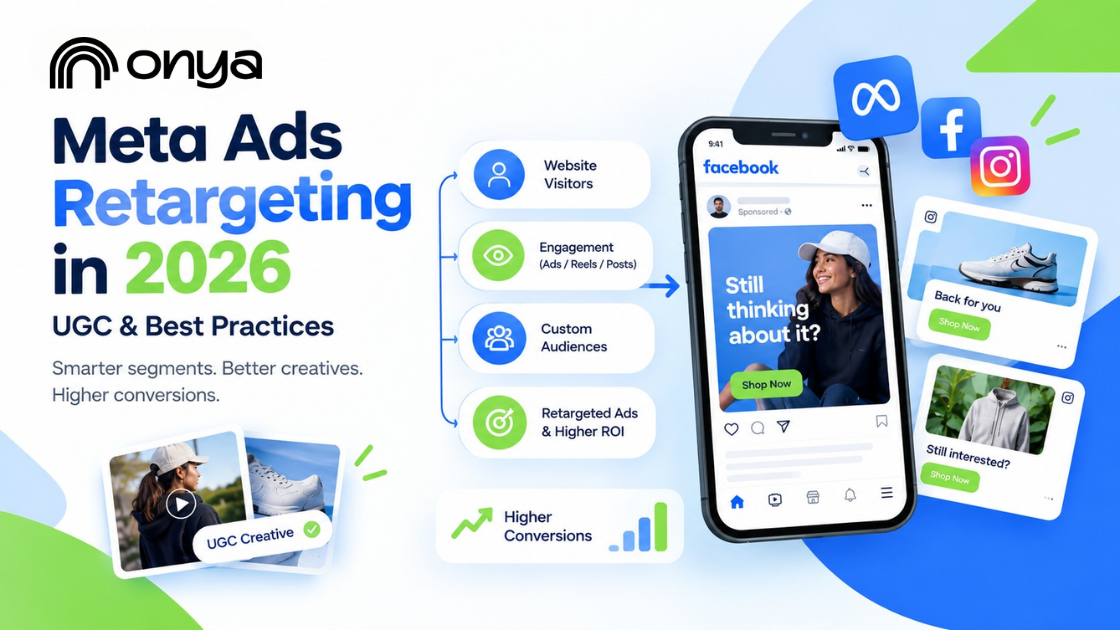
Retargeting in 2026: Is It Still Worth It?

If you’ve been in digital marketing long enough, you’ve probably heard someone declare retargeting “dead” at least once. Between privacy regulations, platform tracking limitations, cookie deprecation, and ever-evolving ad algorithms, it’s fair to ask: is retargeting still worth investing in in 2026?

Short answer? Yes.
Long answer? Yes — but only if you’ve evolved with it.

As a digital marketing agency working across ecommerce, B2B, healthcare, and service-based brands, we can confidently say retargeting is not only alive, it’s still one of the highest-intent, highest-efficiency tactics available. The difference in 2026 is that it looks very different from the retargeting playbooks of five years ago.

Let’s break down why.

What Retargeting Used to Be

Historically, retargeting was straightforward. Someone visited your website, your tracking pixel dropped a cookie, and that person started seeing your ads everywhere — across display networks and social platforms like Meta Platforms (Facebook and Instagram), Google, and YouTube.

It worked because the audience was warm. They already knew your brand. They had shown intent. Even a simple reminder ad could dramatically outperform cold acquisition campaigns.

But then privacy shifts happened. iOS tracking updates, third-party cookie deprecation, stricter consent requirements, and increasing user awareness fundamentally changed the data landscape.

Retargeting didn’t disappear — but it matured.

The 2026 Reality: Smaller Audiences, Higher Expectations

In 2026, retargeting audiences are typically smaller than they were years ago. Users opt out of tracking more often. Cross-device attribution is more complex. Platforms limit data visibility. If you’re still running broad “All Website Visitors – 180 Days” campaigns, performance probably isn’t what it used to be.

At the same time, expectations have gone up. Consumers are used to personalization. They don’t want generic reminder ads. They want relevance. If they viewed a product, they expect messaging tied to that product. If they abandoned a cart, they expect value-based follow-up, not just “Still thinking about it?”

The brands winning in 2026 understand that retargeting is no longer about repetition — it’s about sequencing.

Why Retargeting Still Delivers Strong ROI

Despite the shifts, retargeting consistently outperforms cold prospecting in key areas. The reason is simple: intent.

Warm audiences convert at higher rates. They require fewer touchpoints. They often have shorter sales cycles. In nearly every account we manage, retargeting drives lower cost per acquisition compared to top-of-funnel campaigns.

Even in B2B, where the buyer journey is longer, retargeting plays a critical role in nurturing. Decision-makers rarely convert on the first visit. Strategic retargeting keeps brands top of mind during evaluation phases.

And in ecommerce? Abandoned cart flows combined with paid retargeting still represent one of the most efficient revenue recapture mechanisms available.

The channel hasn’t lost its value. It’s just become more strategic.

The Shift Toward First-Party Data

One of the biggest changes in 2026 is the increased importance of first-party data. Brands that rely exclusively on pixel-based audiences are at a disadvantage. The strongest retargeting strategies now incorporate CRM lists, email subscribers, customer match uploads, loyalty segments, and engagement-based audiences.

Platforms like Meta Platforms and Google prioritize high-quality audience inputs. The better your first-party data infrastructure, the better your retargeting performance.

This means marketing teams need tighter integration between paid media, email marketing, CRM systems, and analytics. Retargeting is no longer just a paid media tactic. It’s part of a broader lifecycle marketing ecosystem.

Creative Fatigue Is the Silent Killer

In 2026, one of the biggest reasons retargeting “doesn’t work” isn’t targeting — it’s creative.

If someone visited your site once and sees the exact same ad 12 times over the next two weeks, performance drops quickly. Frequency without variation leads to fatigue and wasted spend.

High-performing retargeting campaigns now use creative sequencing. That means structuring campaigns to guide the user through stages. The first ad might reintroduce value. The second might address objections. The third could introduce social proof. The fourth might provide a time-sensitive incentive.

Dynamic product ads are still effective, especially on platforms like Meta Platforms, but layering in storytelling and benefit-driven messaging improves results significantly.

Retargeting is no longer just “show them what they viewed.” It’s “move them closer to the decision.”

Frequency and Budget Discipline Matter More Than Ever

Because audiences are smaller in 2026, it’s easier to overspend on retargeting. We often see brands allocating 30–40% of their total ad budget to retargeting, even though warm audiences may only represent 10–20% of traffic.

That imbalance leads to inflated frequency and diminishing returns.

A healthy paid media strategy keeps retargeting proportional to funnel volume. You cannot scale retargeting indefinitely without scaling top-of-funnel traffic. When performance stalls, the issue often isn’t the tactic — it’s that the audience pool isn’t replenishing.

In our experience, the brands seeing the strongest results treat retargeting as a support system, not the entire strategy.

Measurement Is More Nuanced in 2026

Attribution has become more complex. Multi-touch journeys, cross-device behavior, and limited tracking windows make it harder to assign credit cleanly.

Retargeting can appear deceptively strong in last-click models because it often captures the final interaction before conversion. Smart marketers look beyond surface metrics. They analyze incrementality, blended cost per acquisition, and overall revenue lift rather than relying solely on platform-reported ROAS.

We advise clients to look at retargeting performance within the broader marketing ecosystem. If overall conversion rates increase as retargeting scales, that’s meaningful. If performance plateaus while frequency rises, that’s a red flag.

When Retargeting Might Not Be Worth It

There are situations where retargeting isn’t the priority.

If a brand has very low traffic volume, there simply may not be enough users to justify a structured retargeting program. In those cases, the focus should first be on acquisition.

Consider too, if product-market fit is weak or landing pages don’t convert, retargeting won’t fix fundamental performance issues. It amplifies what’s already there. If the underlying funnel is broken, retargeting just sends more reminders to a suboptimal experience.

Retargeting works best when it reinforces a strong offer, clear positioning, and a high-converting website.

So — Is It Worth It?

In 2026, retargeting is absolutely worth it — but only when treated as a strategic, data-driven, creative-led channel.

It’s no longer about chasing users around the internet with generic ads. It’s about thoughtful sequencing, first-party data integration, creative variation, frequency control, and holistic measurement.

Brands that view retargeting as a quick-fix revenue lever may feel disappointed. Brands that integrate it into a broader full-funnel strategy continue to see exceptional efficiency and strong incremental returns.

The marketers winning right now aren’t asking whether retargeting works. They’re asking how to make it smarter.

Retargeting in 2026: Is It Still Worth It?
April 6, 2026

UGC vs. Influencers vs. Creators: What’s the Difference—and Which One Actually Works?

If you’ve sat in a marketing meeting anytime recently, you’ve probably heard UGC, influencers, and creators used interchangeably—sometimes even to describe the same campaign. While these terms often overlap, they’re not interchangeable, and misunderstanding the differences can quietly derail performance.

At Onya, an agency that lives at the intersection of brand, content, and conversion, we see this confusion constantly. The good news is that once you understand what each approach is actually best at, the strategy becomes much clearer—and far more effective.

Let’s break it down.

Why This Distinction Matters More Than Ever

Today’s consumers are deeply fluent in advertising. They can spot forced brand deals, overly polished endorsements, and inauthentic messaging almost instantly. At the same time, brands still need reach, credibility, and content that converts across crowded digital platforms.

UGC, influencers, and creators all solve pieces of this puzzle—but they solve different problems. The biggest mistake brands make is treating them as interchangeable when they’re actually designed for different roles in the funnel.

Understanding UGC: The Power of Real Customers

User-generated content, or UGC Content, is content created by real people who genuinely use or interact with your product. This content often feels casual, unscripted, and low-production—and that’s exactly why it works.

UGC shows your product in the real world. It feels like a recommendation rather than a promotion, which makes it especially effective in paid social, landing pages, and e-commerce environments. From a performance standpoint, UGC consistently builds trust faster than polished brand content and tends to convert well with audiences who are already aware of the product but need reassurance.

That said, UGC isn’t always predictable. The quality can vary, the messaging may not align perfectly with brand goals, and sourcing enough usable content at scale can be challenging. This is why many brands supplement organic UGC with structured UGC creator programs—maintaining authenticity while adding consistency.

Influencers: When Distribution Is the Product

Influencers are defined less by how they create content and more by who sees it. The value of an influencer partnership lies in access to a built-in audience that trusts their opinions and follows their lifestyle choices.

Influencer marketing shines at the top of the funnel. It’s particularly effective for brand launches, seasonal pushes, or moments when awareness is the primary objective. When audience alignment is strong, influencers can introduce your brand in a way that feels natural and aspirational.

However, influencer marketing has evolved—and so has audience skepticism. Overly scripted endorsements and obvious sponsorships are easy to tune out, and ROI can vary significantly depending on creator fit, platform, and execution. Influencers also tend to be less efficient for ongoing performance campaigns unless supported by paid amplification and strong creative strategy.

Creators: Built for Performance and Scale

Creators are often mistaken for influencers, but the distinction is important. Creators are paid primarily for their ability to produce effective content, not for their follower count. Many creators don’t post branded content to their own channels at all.

Instead, they specialize in creating platform-native videos, images, and narratives that are designed to perform in paid media environments. They understand hooks, trends, pacing, and storytelling—especially on short-form video platforms like TikTok, Instagram Reels, and YouTube Shorts.

For brands focused on growth and efficiency, creators are invaluable. They allow teams to test multiple creative angles quickly, refresh ads before fatigue sets in, and adapt content to platform-specific behaviors. The main limitation is that creators don’t bring distribution unless paired with paid media, but in performance marketing, that’s rarely a drawback.

Why the Lines Feel Blurry

The reason these categories are often confused is because there’s real overlap. A creator may also have an audience. A UGC contributor might look like an influencer. An influencer may produce creator-level content.

The difference isn’t about titles—it’s about what you’re paying for. Are you paying for authenticity? For reach? For content that converts? Once you answer that question, the right approach becomes much easier to identify.

Choosing the Right Approach for Your Brand

There’s no universal “best” option—only the best fit for your goal. Brands focused on conversion and efficiency often lean heavily on UGC and creators. Brands launching new products or entering new markets tend to benefit from influencer partnerships that spark discovery.

In practice, the strongest strategies rarely rely on just one approach. Instead, they layer these tactics together in a way that supports the full funnel.

What We’re Seeing Work Best Right Now

The most effective brands in 2026 aren’t debating UGC versus influencers versus creators. They’re building systems that use each intentionally.

Creators produce consistent, high-performing content designed for paid media. UGC reinforces trust and credibility across ads and owned channels. Influencers are brought in strategically to amplify key moments and expand reach. Paid media then ties everything together, ensuring the right content reaches the right audience at the right time.

This approach balances authenticity, scalability, and performance—without relying on vanity metrics or one-off wins.

UGC, influencers, and creators aren’t competing strategies. They’re complementary tools. When brands stop chasing trends and start aligning content strategy with business goals, results become far more predictable.

Start with your objective. Choose the format that supports it. Build a system that’s flexible enough to evolve as platforms and audiences change.

That’s how modern digital marketing actually works.

UGC vs. Influencers vs. Creators: What’s the Difference—and Which One Actually Works?
March 30, 2026

Why Your Instagram Ads Aren’t Converting (And What High-Performing Brands Do Differently)

Instagram remains one of the most powerful advertising platforms available to brands today. It’s visual, fast-moving, mobile-first, and deeply embedded in how consumers discover products and services. And yet, in 2026, we’re still hearing the same frustration from marketers: Our Instagram ads are getting views, but they’re not converting.”

If that sounds familiar, you’re not alone. The problem usually isn’t budget, platform access, or even targeting. In most cases, Instagram ads underperform because they’re built on outdated assumptions about how people actually engage with content today.

High-performing brands aren’t just doing more on Instagram—they’re doing things differently. And the difference lies in how they think about creative, intent, and the full user experience beyond the ad itself.

The Scroll Has Changed—But Many Ads Haven’t

Instagram users move fast. Faster than most brands realize. In a feed filled with creators, friends, stories, Reels, and recommendations, ads have milliseconds to earn attention—or they’re gone.

One of the biggest reasons Instagram ads fail to convert is that they still look and feel like ads. Overproduced visuals, stock photography, polished brand messaging, and generic value propositions stand out in the worst way. They interrupt the experience instead of blending into it.

High-performing brands understand that Instagram isn’t a billboard—it’s a conversation. Ads that win today look native, feel human, and deliver value immediately. They meet users where they are instead of asking them to slow down and listen.

This shift isn’t about lowering quality; it’s about changing the definition of quality to match how people actually consume content.

Awareness Isn’t the Problem—Relevance Is

A common misconception we hear is that low conversions mean not enough people are seeing the ads. In reality, many underperforming Instagram campaigns have no problem driving impressions or reach.

The issue is relevance.

When ads speak too broadly, try to appeal to everyone, or fail to clearly connect to a specific pain point, users may watch—but they won’t act. Attention without intent doesn’t convert.

High-performing brands build their Instagram ads around clear, immediate relevance. The viewer should instantly know:

  • Who the ad is for
  • What problem it’s addressing
  • Why it matters right now

That clarity doesn’t come from clever headlines alone. It comes from understanding audience context, behavior, and mindset—and aligning creative accordingly.

Creative Is No Longer Just Visual—It’s Strategic

In 2026, creative is the biggest performance lever on Instagram. Not targeting. Not budget. Not even placement.

Yet many brands still treat creative as an afterthought—something to plug into a campaign once the “real” strategy is built.

High-performing brands do the opposite. They treat creative as a living, evolving system. Messaging, hooks, visuals, pacing, and format are tested continuously, not quarterly. Creative decisions are informed by performance data, not opinions.

More importantly, winning creative speaks like a person, not a brand. It mirrors how real users talk, think, and problem-solve. It’s confident without being pushy, informative without being corporate, and persuasive without being scripted.

This is where many Instagram ads fall apart. They try to say too much, too quickly, to too many people.

Clicks Don’t Convert—Experiences Do

Even when an Instagram ad successfully earns a click, the conversion often falls apart afterward.

Why? Because the post-click experience doesn’t match the promise of the ad.

High-performing brands treat Instagram ads as part of a larger ecosystem, not a standalone tactic. The landing page, mobile experience, load time, messaging, and CTA all reinforce what the user just saw in-feed.

When there’s a disconnect—different language, unclear next steps, or a clunky mobile experience—trust erodes instantly. And without trust, conversion doesn’t happen.

Instagram ads don’t fail in isolation. They fail when the experience around them isn’t designed to support action.

Too Many Brands Chase Trends Instead of Behavior

Trends move fast on Instagram. Formats change. Features roll out. Audio goes viral. Templates rise and fall.

But high-performing brands don’t blindly chase what’s trending—they study why something works and apply those insights strategically.

Brands that copy trends without understanding their audience often end up with ads that feel forced or inauthentic. Meanwhile, brands that focus on user behavior—attention patterns, content preferences, decision triggers—create ads that feel natural and compelling regardless of format.

Instagram rewards relevance, not novelty.

Optimization Is Ongoing, Not Occasional

Another reason Instagram ads underperform is a lack of structured optimization. Many brands launch campaigns, let them run, and hope performance improves on its own.

High-performing brands are far more intentional. They review creative performance frequently, identify patterns, and make decisions quickly. Underperforming assets are replaced. Winning messages are expanded. Assumptions are challenged.

This isn’t about constant tinkering—it’s about learning faster than the competition.

Agencies that excel on Instagram build optimization into the process, not the timeline. Testing isn’t an experiment; it’s the system.

Conversion Comes From Alignment, Not Hacks

There’s no single trick that suddenly makes Instagram ads convert. No magic hook. No secret targeting setting. No viral format guaranteed to work forever.

High-performing brands win because everything aligns:

  • The ad matches the platform
  • The message matches the audience
  • The experience matches the promise

When alignment exists, conversion follows naturally. When it doesn’t, no amount of spend will fix it.

If your Instagram ads aren’t converting, it’s rarely because the platform “doesn’t work anymore.” More often, it’s because the strategy behind the ads hasn’t evolved alongside user behavior.

The brands winning on Instagram in 2026 aren’t louder, flashier, or more aggressive. They’re clearer. More intentional. More human.

And they understand that conversion isn’t about forcing action—it’s about earning it.

Why Your Instagram Ads Aren’t Converting (And What High-Performing Brands Do Differently)
March 23, 2026

Is Your Agency Built for What’s Next? The 2026 Checklist for Forward-Thinking Partners

Let’s be honest: “forward-thinking” has become one of the most overused phrases in marketing. Every agency claims it. Every pitch deck promises innovation. Every website has a section about AI, data, or “next-gen strategies.”

But in 2026, being forward-thinking isn’t about buzzwords—it’s about how an agency actually operates, plans, and partners with clients as the landscape continues to shift faster than ever.

From AI acceleration to privacy regulations to fragmented media consumption, brands don’t need agencies that simply react well. They need partners that are built for what’s next, not scrambling when change arrives.

So how do you evaluate whether an agency is truly prepared for the future? Here’s the checklist we believe brands should be using in 2026—and the same standards we hold ourselves to.

1. Strategy Comes Before Tactics (Every Time)

A forward-thinking agency doesn’t start with platforms, channels, or trends. It starts with business goals, operational realities, and long-term growth.

If an agency leads with:

  • “You should be on TikTok”
  • “We need to launch paid media ASAP”
  • “Let’s test this AI tool”

…without grounding recommendations in your business model, customer journey, and success metrics, that’s a red flag.

Modern agencies should act as strategic extensions of your team—connecting marketing activity directly to outcomes like revenue, efficiency, patient acquisition, retention, or lifetime value.

In 2026, strategy isn’t a slide in a deck. It’s an ongoing discipline that evolves as data, platforms, and customer behavior change.

2. AI Is Integrated—Not Just Talked About

Every agency says they use AI. The real question is how.

A forward-thinking agency isn’t just experimenting with AI tools internally—it’s embedding AI into:

  • Media optimization and bidding strategies
  • Predictive analytics and forecasting
  • Creative testing and iteration
  • Workflow automation and efficiency
  • Audience modeling and segmentation

More importantly, they know where human expertise still matters most. AI should enhance strategy and execution, not replace critical thinking, creativity, or accountability.

In 2026, the best agencies strike a balance: leveraging AI to move faster and smarter, while maintaining transparency, brand safety, and ethical oversight.

3. Privacy-First, Data-Smart Thinking Is Non-Negotiable

The era of easy third-party data is long gone—and agencies that haven’t adapted are already behind.

Forward-thinking agencies help brands:

  • Strengthen first-party and zero-party data strategies
  • Build compliant measurement frameworks
  • Prepare for continued platform and regulatory changes
  • Design campaigns that perform without relying on invasive tracking

This isn’t just about compliance—it’s about future resilience. Agencies that understand data governance, consent, and privacy-safe personalization are better equipped to protect both performance and brand trust.

In 2026, data strategy isn’t an add-on. It’s foundational.

4. Measurement Goes Beyond Vanity Metrics

Clicks, impressions, and reach still matter—but they’re no longer enough. A future-ready agency prioritizes:

  • Clear KPI alignment tied to business outcomes
  • Multi-touch and incrementality measurement
  • Cross-channel performance visibility
  • Real-time insights—not end-of-month surprises

Forward-thinking partners don’t just report numbers; they interpret them, explain implications, and recommend action.

If an agency can’t clearly tell you why something worked—or didn’t—they’re not helping you plan for what’s next.

5. Speed, Testing, and Iteration Are Built Into the Process

Marketing cycles have compressed. Creative burns out faster. Platforms evolve constantly. Agencies built for 2026 have systems in place to:

  • Launch quickly
  • Test intelligently
  • Learn continuously
  • Optimize without chaos

This means agile workflows, structured experimentation, and a mindset that treats testing as a core competency—not a “nice to have.”

The future doesn’t reward perfection. It rewards adaptability.

6. The Tech Stack Actually Makes Sense

More tools don’t equal better marketing.

A forward-thinking agency helps brands evaluate, integrate, and rationalize their tech stack—ensuring tools work together and support real goals rather than adding complexity.

Look for agencies that:

  • Understand your existing systems
  • Recommend tools with purpose, not hype
  • Can operate effectively across platforms
  • Reduce friction instead of creating it

In 2026, efficiency is a competitive advantage.

7. Proactive Communication Beats Reactive Support

The best agencies don’t wait for problems to arise. They:

  • Flag risks early
  • Share platform updates before they impact performance
  • Bring ideas to the table without being asked
  • Act as advisors, not order-takers

Forward-thinking agencies help clients anticipate change, not scramble to respond to it.

If your agency is always reacting, you’re always behind.

8. Partnership Mentality Over Vendor Mentality

Finally, future-ready agencies don’t see themselves as vendors executing tasks. They see themselves as partners invested in your success.

That means:

  • Transparency over spin
  • Collaboration over control
  • Accountability over excuses
  • Long-term thinking over short-term wins

In 2026, the agencies that stand out are the ones willing to challenge assumptions, ask hard questions, and grow alongside their clients.

Forward-thinking isn’t about claiming to be ahead of the curve—it’s about building systems, teams, and strategies that can adapt as the curve keeps moving.

When evaluating an agency in 2026, the question isn’t:
“Do they know what’s trending?”

It’s:
“Are they built to help us succeed no matter what changes next?” That’s the standard modern agencies should meet—and the kind of partnership brands deserve.

Is Your Agency Built for What’s Next? The 2026 Checklist for Forward-Thinking Partners