TikTok, Google, Meta, and CTV: Where Paid Media Still Works (And Where It Doesn’t)
Over the past few years, the paid media landscape has changed quickly. Privacy updates, rising CPMs, and shifting consumer behavior have forced marketers to rethink where and how they spend their advertising budgets. The platforms that once delivered easy wins don’t always perform the same way today, and new channels are constantly competing for attention.
At Onya, one of the most common questions we hear from brands is simple: Where should we actually be spending our ad dollars right now?
The reality is that TikTok, Google, Meta, and connected TV (CTV) can all be powerful advertising channels. But each platform works best in specific situations—and struggles in others. Understanding those strengths and limitations can help brands build a smarter, more effective paid media strategy.
TikTok: A Creative Powerhouse with a Discovery Engine
TikTok has quickly become one of the most influential platforms in digital advertising. Its algorithm is built around discovery rather than follower counts, which means brands have the opportunity to reach massive audiences—even without a large existing presence.
For awareness and top-of-funnel marketing, TikTok can be incredibly effective. The platform excels at introducing brands to new audiences through entertaining, authentic content. Products that lend themselves well to demonstrations, storytelling, or lifestyle visuals often perform particularly well.
But TikTok isn’t always the best platform for immediate conversion performance. While the platform’s shopping tools continue to evolve, many users still approach TikTok primarily for entertainment rather than direct purchasing. That means brands often see the best results when they treat TikTok as an awareness and engagement channel rather than a strict performance channel.
Creative also plays a huge role in success on TikTok. Highly polished, traditional ad creative often struggles to gain traction. The platform rewards content that feels native, casual, and authentic. Brands that approach TikTok like a social storytelling platform—rather than a traditional advertising environment—tend to see much stronger results.
Google: Still the Strongest Intent Engine
While social platforms focus on discovery, Google remains one of the most powerful intent-driven advertising channels available.
When someone searches for a product, service, or solution, they are actively looking for information or ready to make a purchase decision. That high level of intent is what makes Google advertising—particularly search campaigns—so valuable for many brands.
For businesses focused on lead generation or ecommerce conversions, Google Search continues to deliver some of the strongest performance in paid media. Shopping campaigns and Performance Max campaigns can also be highly effective when product feeds and tracking are properly configured.
However, Google isn’t always the right solution for every brand. Companies introducing entirely new products or categories may struggle if consumers aren’t actively searching for those products yet. In those situations, demand generation channels like social media can help build awareness before search demand begins to grow.
Competition is also increasing in many search categories, which means costs can climb quickly. Without strong landing pages, clear messaging, and effective conversion tracking, even high-intent traffic can fail to deliver strong results.
Meta: Still One of the Most Versatile Platforms
Despite the many changes that have affected digital advertising in recent years, Meta’s platforms—Facebook and Instagram—remain incredibly versatile tools for marketers.
Meta still offers some of the most advanced audience targeting and optimization capabilities in the industry. Its machine learning systems have become increasingly sophisticated, helping advertisers reach relevant audiences even with more limited tracking signals.
For many brands, Meta sits in the middle of the marketing funnel. It can drive both awareness and conversions, depending on campaign structure and creative strategy. Retargeting campaigns often perform particularly well on Meta because the platform can reconnect with users who have already engaged with a brand’s website or content.
However, success on Meta today requires a strong creative strategy. The days of running the same ad creative for months are long gone. Audiences move quickly, and creative fatigue can set in fast.
Brands that continuously test new visuals, messaging angles, and formats tend to see the best results. In many ways, Meta has evolved into a creative testing platform where the strength of the ad content plays a major role in performance.
CTV: A Growing Channel for Brand Visibility
Connected TV advertising has grown rapidly as streaming continues to replace traditional cable viewing. Platforms such as streaming apps, smart TVs, and digital video services allow advertisers to reach audiences watching long-form content in a living room environment.
CTV offers a powerful opportunity for brands looking to build awareness with high-quality video placements. The format combines the storytelling potential of television with the targeting capabilities of digital advertising.
For larger brands or those with strong video assets, CTV can deliver significant reach and brand visibility. It also tends to produce strong completion rates because viewers are often engaged with the content they’re watching.
That said, CTV isn’t always the best platform for direct-response campaigns. Attribution can be more complex, and immediate conversion tracking is often limited compared to platforms like search or social media.
Brands that approach CTV as an upper-funnel awareness channel typically see the best outcomes.
The Real Answer: Integration Matters More Than Platforms
While marketers often debate which advertising platform is “best,” the truth is that the most effective strategies rarely rely on just one channel.
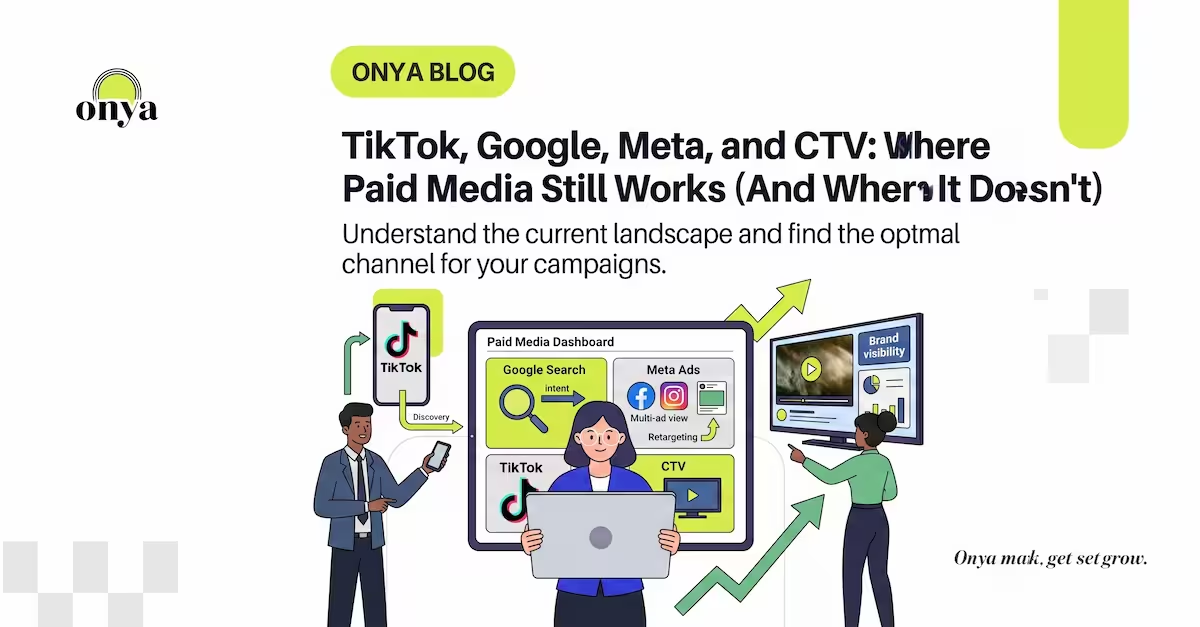
Each platform serves a different role within the customer journey. TikTok introduces brands to new audiences. Meta nurtures engagement and retargets interested users. Google captures high-intent searches. CTV builds broad brand awareness with premium video placements.
When these platforms work together, they create a more complete marketing ecosystem.
At Onya, we often see the strongest results from brands that build balanced media strategies. Instead of chasing the newest platform or abandoning channels too quickly, successful advertisers focus on how each channel contributes to the overall funnel.
Paid media still works extremely well. But success depends less on choosing a single “winning” platform and more on understanding how each channel fits into the bigger picture.