
Blog

Expert insights on digital advertising, strategy, and growth

background decorative graphicbackground decorative graphic
Marketing Insights
June 22, 2026

AI Didn’t Replace Agencies — It Exposed the Bad Ones

For the past few years, AI has dominated nearly every marketing conversation—and for good reason. It’s faster, more scalable, and more accessible than anything we’ve seen before. But somewhere along the way, the narrative got a little off track.

AI didn’t replace marketing agencies.

It revealed which ones were never that strong to begin with.

At Onya, we’ve been watching this shift closely. What’s happening right now isn’t a mass extinction of agencies—it’s a separation. A clear divide between those who bring real strategic thinking to the table and those who were relying on manual effort, guesswork, or surface-level tactics to stay relevant.

For businesses evaluating their current marketing partner, this moment is telling. The cracks are easier to see now.

The Rise of “Easy” Marketing — And Why It Backfired

AI has made marketing execution dramatically easier. What used to take days can now be done in minutes. Campaign assets can be generated at scale, content can be produced on demand, and workflows that once required entire teams can now be automated.

On the surface, that sounds like progress—and it is. But it also created an unintended consequence.

When everyone has access to the same tools, execution alone stops being impressive.

Agencies that once stood out because they could produce quickly or operate efficiently are finding it harder to differentiate. Speed is no longer special. Volume is no longer valuable on its own. And cost-efficiency, while still important, is no longer enough to justify a partnership.

In many cases, AI didn’t make these agencies worse. It simply made their limitations more visible.

What AI Actually Exposed

One of the most noticeable gaps has been in strategy. AI is incredibly effective at generating content, but it doesn’t inherently understand a business—its positioning, its audience, or the nuance behind why customers choose one brand over another. Agencies that leaned heavily on templated campaigns or recycled messaging are now finding that their work looks indistinguishable from what AI can produce in seconds.

Stronger agencies have taken a different approach. They’re using AI as a tool to enhance execution, but they’re doubling down on the elements that can’t be automated—clear positioning, thoughtful messaging, and cohesive strategies that connect every stage of the funnel. In this environment, strategy isn’t just important; it’s the only real differentiator.

At the same time, AI has brought more scrutiny to performance. It has never been easier to produce polished reports filled with clean dashboards and impressive-looking metrics. But many businesses are starting to look past surface-level indicators and ask a more important question: is this actually driving revenue?

This shift has exposed agencies that rely too heavily on vanity metrics. High engagement and strong click-through rates don’t mean much if they don’t translate into pipeline or growth. As content production becomes easier, outcomes matter more than ever.

Another area that’s come into focus is the industry’s growing obsession with tools. Over the past few years, the number of AI-powered platforms has exploded, and many agencies have built their messaging around them. But leading with tools instead of outcomes has created confusion for clients. Businesses don’t need more software—they need clarity, direction, and results.

Then there’s the issue of content quality. AI-generated content is everywhere, and much of it sounds the same. Without strong guidance, it tends to default to safe, predictable language that fails to stand out. Brands that rely too heavily on this kind of content risk blending into the background, losing the distinct voice that sets them apart. Original thinking, perspective, and emotional connection still matter—and they can’t be outsourced entirely to automation.

What Good Agencies Are Doing Differently in 2026

The agencies that are thriving right now didn’t resist AI. They embraced it—but with intention.

Instead of handing over the reins completely, they’re using AI to move faster and work smarter while keeping strategic decisions firmly human-led. It’s not about replacing people; it’s about removing inefficiencies so more time can be spent on higher-impact work.

There’s also been a noticeable shift in what these agencies prioritize. Rather than focusing on activity—how many campaigns launched or how much content was produced—they’re tying their efforts directly to business outcomes. Conversations have moved beyond impressions and engagement toward pipeline, customer acquisition costs, and long-term value.

Flexibility has become another defining trait. Marketing in 2026 doesn’t sit still for long. Platforms evolve, algorithms change, and consumer behavior continues to shift. The strongest agencies aren’t building rigid, set-it-and-forget-it strategies. They’re creating frameworks that can adapt quickly without losing direction.

Perhaps most importantly, they’re redefining what it means to be an agency partner. The relationship is no longer transactional. Instead of simply executing tasks, they’re contributing ideas, challenging assumptions, and taking ownership of results. There’s a level of accountability and collaboration that goes beyond campaign management—it’s about helping move the business forward in a meaningful way.

A Moment of Clarity for Businesses

For many organizations, this shift has created a moment of reflection. Marketing may still be running, campaigns may still be active, and reports may still be delivered on time—but something feels off. Growth isn’t where it should be. Results feel inconsistent. There’s a sense that more is happening, but less is being achieved.

That disconnect is often where the problem lies.

When execution becomes easier, it’s tempting to assume that more output will lead to better outcomes. But without a strong strategic foundation, more activity can simply mean more noise. AI has made that reality harder to ignore.

AI didn’t eliminate the need for marketing agencies. If anything, it made the right agency more valuable than ever.

Because when execution becomes accessible to everyone, thinking becomes the differentiator.

At Onya, we believe the future of marketing isn’t about choosing between human expertise and AI—it’s about combining them in a way that actually drives results. That starts with strategy, stays grounded in business outcomes, and uses technology as an enabler rather than a crutch.

The gap between good and bad agencies is only getting wider. And in our digital sphere, it’s never been easier to see where your current partner stands.

If your marketing feels like it’s moving—but not progressing—it may not be a question of tools or tactics. It may be time to take a closer look at the strategy behind it—and the team responsible for driving it forward.

AI Didn’t Replace Agencies — It Exposed the Bad Ones
January 5, 2026

Beyond the Click: Proving the ROI of Your 2026 Online Ad Spend

Digital advertising has come a long way from the days when “clicks and impressions” were considered enough to justify a budget. Today, that simply doesn’t cut it. With rising media costs, higher competition, and increased pressure on marketing teams to prove bottom-line impact, 2026 is shaping up to be the year where ROI clarity becomes non-negotiable.

As a digital marketing agency, we hear this every week: “I know our ads are getting engagement, but what is that engagement actually doing for the business?” The truth is, brands are demanding—and deserve—full-funnel transparency. So let’s talk about what it really takes to go beyond the click and prove ROI in a digital landscape that’s more fragmented, more expensive, and more data-rich than ever.

The 2026 Reality: Attribution Isn’t Getting Easier

Before we get into the solutions, let’s acknowledge something: attributing value across today’s customer journey is messy. Channel silos, privacy constraints, device switching, and endless touchpoints make the path to conversion look less like a funnel and more like a web.

Add in the fact that platform-reported data is becoming less trusted—yes, even the big platforms—and marketers are rightfully skeptical. Google says one thing. Meta says another. Your CRM says something else entirely.

In 2026, the brands winning are the ones shifting away from relying on platform reporting as gospel and instead building their own measurement frameworks. The key? Combining platform signals with independent truth sources like first-party data, analytics, lift measurement, and MMM (Marketing Mix Modeling).

ROI in 2026 Starts With One Step: Redefine What Counts as Success

Clicks are easy to measure. But easy doesn’t equal meaningful.

To prove ROI, you need to start with a real definition of success—and it’s rarely one thing. Depending on your business model, your “success stack” might include:

1. Revenue-Connected KPIs

  • CAC (Customer Acquisition Cost)
  • LTV:CAC ratio
  • Incremental revenue

Subscription or purchase conversions

2. Funnel Health Metrics

  • Qualified leads
  • Add-to-carts
  • Engagement with key product pages
  • Form starts
  • Sales-qualified events

3. Brand Impact Indicators

  • Search lift
  • Direct traffic lift
  • Organic engagement increases
  • Branded query growth

Clicks may help tell part of the story, but they can’t tell the story.

In 2026, brands must define a multi-layer ROI framework that aligns with business outcomes, not vanity metrics.

Your Secret Weapon: First-Party Data

With third-party cookies fading into irrelevance and cross-platform tracking becoming more limited, first-party data is the star of 2026.

Brands that own solid data foundations—clean CRM activity, accurate customer segments, purchase history, and lifecycle behavior—are able to:

  • Attribute revenue with more accuracy
  • Create more effective custom audiences
  • Measure retention impact
  • Run powerful incrementality tests
  • Build models that predict revenue and customer value

On the flip side, brands without strong first-party data are stuck relying on what the ad platforms choose to show them.

If ROI is the goal (and it is), investing in data hygiene, tagging infrastructure, and CRM integration is one of the highest-ROI moves you can make this year.

Incrementality: The ROI Truth Serum

Want to know what your ads are really doing? Test what happens when they’re not there.

Incrementality testing is one of the most reliable ways to prove ad value. By comparing exposed vs. control groups, you can answer questions like:

  • “How many conversions would have happened without our ads?”
  • “Which channels drive net-new customers?”
  • “What campaigns actually move revenue?”

Platforms may offer their own incrementality tools—but 2026 is the year of third-party, independent measurement. Advertisers are leaning on tools like:

  • Geo-based lift tests
  • Audience holdout tests
  • Split-funnel experimentation
  • MMM paired with short-term lift studies

Incrementality cuts through noise, over-attribution, and platform inflation. It gives CFO-level clarity, which is why brands that adopt it rarely go back.

MMM Is Back—and Better Than Ever

Marketing Mix Modeling used to be something only enterprise brands with giant budgets could touch. But in 2026, thanks to AI-assisted modeling and more accessible tools, MMM is finally achievable for mid-market brands too.

MMM helps quantify:

  • Which channels are truly driving revenue
  • Diminishing returns at higher spend levels
  • Ideal spend allocation
  • Long-term brand impact
  • Seasonality and external influence (holidays, promotions, macro shifts, etc.)

Paired with real-time attribution and incrementality testing, MMM becomes actionable—not just a once-a-year report that collects dust.

Holistic Attribution: Because No One Converts Off One Touchpoint

People don’t buy after one click. They see an ad, read a review, forget about it, get a retargeting ad, check your site, get distracted, search your brand name days later, and maybe—maybe—convert.

2026 ROI measurement means embracing the messy middle.

The best frameworks include a combination of:

  • Last-click attribution (still useful for evaluating lower-funnel performance)
  • Data-driven or algorithmic attribution
  • View-through conversions (with guardrails)
  • Lift measurement
  • Customer journey analytics
  • Post-purchase surveys (“How did you hear about us?” is still underrated)

When these methods work together, the picture becomes much clearer.

Creative Matters More Than Ever—and Yes, You Can Measure Its ROI

The paid media world has shifted: creative is now one of the biggest performance drivers, especially in social.

In 2026, advertisers can measure creative effectiveness through:

  • Hook rate
  • Scroll-stop metrics
  • A/B testing at the visual level
  • Message testing frameworks
  • Persona-driven performance segmentation

Strong creative drives lower CAC and higher CVR. Weak creative burns budget. It's that simple—and it belongs in your ROI conversation.

Reporting for 2026: Show the Story, Not Just the Numbers

Finally, proving ROI isn’t just about having the right data—it’s about telling the right story.

High-performing marketing teams are creating reporting ecosystems that:

  • Tie spend directly to revenue outcomes
  • Show full-funnel impact
  • Explain why results happened
  • Forecast what happens if budgets change
  • Highlight wins, risks, and opportunities
  • Give stakeholders confidence, not confusion

The era of giant spreadsheets is over. Clear visualization and narrative-driven reporting are the new expectation.

The Bottom Line: ROI in 2026 Is Smarter, More Holistic, and More Actionable

Clicks are just one chapter of the story. The brands that thrive in 2026 are those that embrace holistic measurement—combining first-party data, incrementality, MMM, cross-channel attribution, and creative intelligence.

It’s not about proving that advertising “works.” It’s about proving how it works, where it works, and how much value it generates for the business.

If you can answer those questions clearly? Your budget becomes a strategic investment, not an expense to defend.

Beyond the Click: Proving the ROI of Your 2026 Online Ad Spend
December 22, 2025

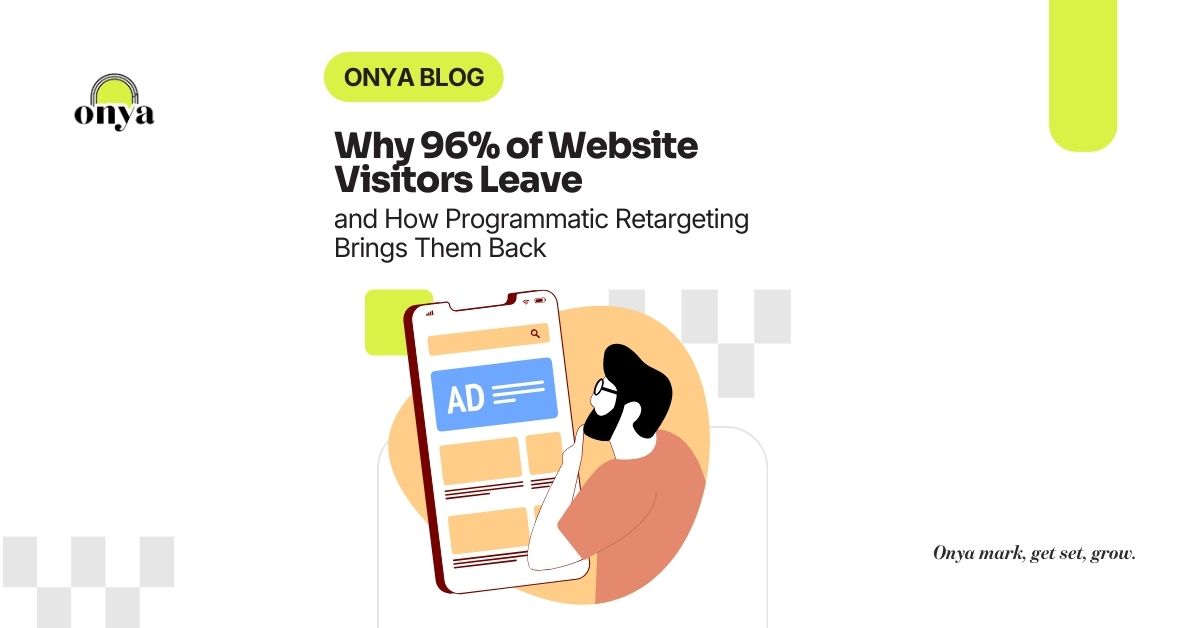
When 98% of Your Website Visitors Just Ghosted You (Programmatic Retargeting to the Rescue)

Ever looked at your website analytics and wondered where everyone went? One minute, hundreds of visitors are scrolling through your products or reading your latest blog post—and the next, poof! They vanish without a trace. It feels a little like modern dating: they showed interest, maybe even clicked “add to cart,” and then… they ghosted you.

If you’ve been in digital marketing long enough, you know this scenario all too well. But here’s the good news: they don’t have to stay gone forever. With the right programmatic retargeting strategy, you can bring those visitors back, rekindle their interest, and guide them toward conversion—no awkward texts required.

Let’s talk about how to make that happen.

The Harsh Truth: Most Visitors Aren’t Ready (Yet)

Here’s a little reality check—most people aren’t ready to buy the first time they visit your site. They might be comparing options, researching prices, or just killing time. Maybe their kid started crying, or their phone died right as they were about to click “checkout.”

That doesn’t mean they’re not interested—it just means you weren’t top of mind when they were finally ready to make a decision.

Enter programmatic retargeting, the digital marketer’s secret weapon for turning “almost” into “actually.”

Programmatic Retargeting: The Modern Way to Win Back Lost Visitors

If traditional display advertising is like throwing darts blindfolded, programmatic retargeting is like using laser precision. It uses automated, data-driven technology to serve tailored ads to users who’ve already interacted with your brand—wherever they go online.

Here’s how it works:

  1. Someone visits your site. They browse your products, read a few pages, but don’t convert.
  2. A tracking pixel tags them. This pixel quietly notes their interests and behaviors.
  3. Programmatic tech takes over. Using that data, your ads follow them across the web—in real time and in context.
  4. They see your brand again. Maybe on a news site, in a mobile app, or even while checking the weather.
  5. They come back. This time, they’re more likely to take action because they’ve seen you multiple times and built familiarity.

It’s not creepy when it’s done right—it’s relevant. And relevance is the currency of digital marketing in 2025.

The Science of Staying Top of Mind

Programmatic retargeting isn’t just about “following” people—it’s about reminding them why they were interested in you in the first place.

Think of it like a gentle nudge rather than a hard sell. With dynamic creative optimization (DCO), your ads can automatically adjust to show the exact product someone viewed or a related item they might like.

For example:

  • A visitor checks out a pair of running shoes on your site but doesn’t buy.
  • Later, they see an ad featuring those same shoes—plus a limited-time offer or a positive review.
  • The next time they’re ready to shop, your brand feels familiar and trustworthy.

This level of personalization makes a big difference. 

Why Programmatic Retargeting Beats Manual Campaigns

Old-school remarketing campaigns required marketers to manually set up audience lists, placements, and bid strategies. Programmatic changes the game by automating all that through machine learning and real-time bidding (RTB).

That means your ad spend is constantly optimized for performance. Your ads appear only when and where they have the best chance of making an impact.

Some key advantages include:

  • Precision targeting: Reach people based on behavior, interests, and intent—not just demographics.
  • Real-time optimization: Algorithms automatically shift budgets to the highest-performing audiences and placements.
  • Cross-channel reach: Connect with users across web, mobile, video, connected TV (CTV), and social—all in one ecosystem.
  • Data-driven insights: Every impression feeds back into your campaign strategy, helping you refine creative and targeting over time.

Essentially, programmatic retargeting is like having a 24/7 digital salesperson who knows exactly when to show up and what to say.

Creative That Converts: How to Get It Right

Even the most advanced targeting won’t work if your creative falls flat. When crafting retargeting ads, keep these best practices in mind:

  1. Personalize the message. Use dynamic creative to reflect the user’s journey—what they viewed, where they left off, and what might bring them back.
  2. Keep it consistent. Make sure your ads visually align with your website and brand tone. Familiarity breeds trust.
  3. Add urgency. Limited-time offers, cart reminders, or exclusive discounts can prompt action.
  4. Refresh regularly. Rotate ad creatives to prevent “banner blindness” and keep engagement high.
  5. Test everything. A/B testing headlines, calls-to-action, and visuals helps you find what resonates most.

Measuring Success: Beyond Clicks

When you’re running programmatic campaigns, clicks are only part of the story. You’ll also want to monitor:

  • View-through conversions (VTCs): When someone sees your ad but converts later through another channel.
  • Engagement metrics: Time on site, pages per visit, or return visits.
  • Attribution insights: Which touchpoints actually influenced the conversion.

Together, these metrics help paint a full picture of how your retargeting strategy impacts your sales funnel—not just who clicked.

The Future of Retargeting: Privacy-Safe and Smarter Than Ever

As third-party cookies phase out, the future of retargeting is shifting toward first-party data and privacy-safe solutions. Programmatic platforms are adapting fast, using contextual signals, clean rooms, and identity graphs to keep retargeting relevant without compromising privacy.

That means you can still reconnect with lost visitors—but in ways that are transparent, ethical, and effective.

The truth is, most of your visitors won’t convert on their first visit—and that’s okay. What matters is how you follow up. With programmatic retargeting, you can re-engage your audience, remind them of your value, and bring them back into your funnel naturally.

So the next time you check your analytics and see that 98% of visitors just ghosted you, don’t panic. They’re not gone—they’re just waiting for the right reminder.

And that’s where a smart, data-driven programmatic strategy shines.

When 98% of Your Website Visitors Just Ghosted You (Programmatic Retargeting to the Rescue)
December 15, 2025

Programmatic Retargeting & Visitor Recapture: Turning “Almost” Customers into Conversions

If you’ve ever noticed an ad following you around the internet after visiting a website—congratulations, you’ve experienced programmatic retargeting in action. It’s that subtle (sometimes not-so-subtle) reminder that says, “Hey, remember us? You left something behind!”

For digital marketers, programmatic retargeting isn’t just a neat trick—it’s one of the most powerful tools available for bringing potential customers back into the funnel. Whether you’re trying to convert a cart abandoner, a content lurker, or someone who just didn’t click “buy” the first time, programmatic advertising helps your brand stay visible, relevant, and persuasive at exactly the right time.

Let’s talk about how programmatic retargeting works, why it’s so effective, and how to craft a winning visitor recapture strategy that actually drives results.

What Exactly Is Programmatic Retargeting?

Programmatic advertising refers to the use of AI-driven technology to buy and place digital ads in real time. Instead of manually choosing where your ads run, algorithms handle the heavy lifting—bidding on ad placements across platforms and serving impressions to users who fit your target profile.

Now, when you add retargeting into the mix, you’re layering intent data into that automation. Retargeting focuses specifically on people who have already interacted with your brand in some way—visited your site, viewed a product, or engaged with your content.

Programmatic retargeting uses behavioral data and audience signals to automatically serve personalized ads to those past visitors, wherever they happen to be browsing—Google Display Network, YouTube, Facebook, Instagram, or their favorite news site.

The result? A smarter, more efficient way to re-engage people who already know your brand but just need a little nudge to convert.

Why Retargeting Works So Well

The digital buyer’s journey isn’t a straight line. Today’s consumers research, compare, and browse across multiple touchpoints before making a decision. 

Retargeting bridges that gap between interest and action. Here’s why it’s so effective:

  1. It reinforces brand recall.

Even if users don’t click immediately, repeated exposure keeps your brand top-of-mind. The next time they’re ready to buy, you’re the first name they remember.

  1. It reaches high-intent audiences.

These aren’t cold leads—you’re talking to people who have already shown interest. That built-in familiarity dramatically increases your odds of conversion.

  1. It personalizes the customer experience.

Programmatic systems can dynamically tailor ad content based on user behavior. For instance, someone who looked at “running shoes” won’t see an ad for “winter coats”—they’ll see the exact product (or a related one) they were eyeing.

  1. It maximizes ROI.

Retargeted ads consistently outperform standard display campaigns in both CTR and conversion rate. You’re spending ad dollars on audiences that are statistically more likely to buy.

Building a Smart Visitor Recapture Strategy

Effective retargeting requires more than just throwing ads at everyone who’s visited your website. To see real results, you need a clear, structured strategy that connects timing, messaging, and audience segmentation.

1. Define your audience segments

Not all visitors are equal. Some may have spent 10 seconds on your homepage, while others added multiple items to their cart. Segmenting your audience helps tailor your approach:

  • Cart abandoners: Show product-specific ads or offer incentives like free shipping.
  • Content readers: Re-engage with thought leadership content or free resources.
  • Previous customers: Cross-sell complementary items or promote loyalty programs.

By aligning your creative and messaging with each group’s behavior, you’ll speak directly to their intent and needs.

2. Leverage dynamic creative optimization (DCO)

DCO allows you to automatically adjust ad visuals, headlines, and CTAs based on individual user data. It’s personalization at scale—ensuring every impression feels like a one-on-one message rather than a generic ad.

Think of it as customizing your storefront display for each shopper that walks by.

3. Use frequency capping wisely

Retargeting can easily cross the line from helpful to annoying if not managed carefully. Nobody wants to feel stalked online. Use frequency caps to limit how often a single user sees your ad within a set timeframe.

Helpful tip: Rotate ad creatives frequently to prevent fatigue and keep things fresh.

4. Create time-based campaigns

The first 48 hours after a visitor leaves your site are critical. Interest is still high, and retargeting during this window often yields the best conversion rates.

After that, you can gradually taper messaging—from urgency (“Your cart is waiting!”) to value-driven reminders (“Still thinking it over? Here’s what customers love about this product.”).

5. Optimize your landing pages

Bringing someone back is only half the battle—you still need to convert them. Make sure your landing pages load fast, match the messaging from your ads, and have a clear next step.

A seamless ad-to-landing experience can make the difference between “almost” and “conversion.”

Expanding Reach: Cross-Channel and Cross-Device Retargeting

Modern programmatic platforms make it possible to follow users across channels and devices, which is huge considering how fragmented consumer behavior has become. Someone might discover your product on Instagram, research it on desktop, and finally purchase on mobile.

Cross-device retargeting connects these dots by recognizing the same user across multiple touchpoints. Combine that with cross-channel strategies—email, display, social, video—and you’ve built a cohesive brand presence that feels natural rather than intrusive.

Consistency builds trust, and trust drives conversions.

Measuring Success

You can’t improve what you don’t measure. Keep a close eye on these key metrics to gauge how well your programmatic retargeting campaigns are performing:

  • CTR (Click-Through Rate) – Indicates engagement and relevance.
  • Conversion Rate – Measures how many retargeted users took your desired action.
  • CPA (Cost Per Acquisition) – Helps you evaluate cost-effectiveness.
  • ROAS (Return on Ad Spend) – Your bottom-line profitability metric.

A/B testing different creatives, offers, and audience segments will also give you invaluable data for continuous improvement.

Programmatic retargeting isn’t about chasing customers—it’s about reconnecting with them at the right time, in the right place, with the right message. When done strategically, it turns missed opportunities into meaningful conversions and keeps your brand front-and-center in the customer’s decision-making journey.

In 2026 and beyond, as privacy rules tighten and AI-driven automation becomes even more sophisticated, successful visitor recapture strategies will hinge on transparency, personalization, and relevance.

So, if your digital marketing plan doesn’t already include programmatic retargeting, it’s time to add it to your playbook. Because in the attention economy, the brands that win aren’t necessarily the loudest—they’re the ones that remember who’s listening.

Programmatic Retargeting & Visitor Recapture: Turning “Almost” Customers into Conversions
December 8, 2025

Q4 Tactics & Planning for 2026: Setting Up a Strong Start to the New Year

As Q4 rolls in, marketers everywhere feel the same mix of excitement and pressure. It’s the season of high stakes, higher budgets, and the last big push before the calendar resets. But while most brands are focused on finishing the year strong, smart marketers are already looking ahead — laying the groundwork for a successful 2026.

At Onya, we like to think of Q4 as both a finale and a launchpad. It’s the perfect time to fine-tune your campaigns, assess what’s working, and set strategic goals for the year ahead. Whether you’re optimizing your holiday ads, planning your 2026 content calendar, or building out new creative, Q4 offers valuable insights you can use to hit the ground running in January.

Here’s how to make the most of these final months — and use Q4 momentum to set yourself up for an exceptional 2026.

1. Wrap Up 2025 With Smart Data, Not Just Deadlines

Before diving into what’s next, take time to reflect on what’s happened. Look back at your 2025 campaigns and identify key takeaways. Which platforms delivered the strongest ROI? Which ad creatives outperformed expectations? Where did engagement drop off?

Use this data to shape next year’s strategy — don’t just store it in a year-end report. For example:

  • If your video content consistently outperformed static posts, it’s a sign to increase your video production budget for 2026.
  • If your email click-through rates dropped during certain months, revisit your cadence and content strategy.
  • If one channel (say, TikTok or Pinterest) started outperforming others late in the year, double down with testing early in 2026.

The beauty of Q4 is that you have a lot of fresh performance data to analyze — from Black Friday to holiday gifting campaigns. Every metric tells a story. The better you understand it now, the more informed your 2026 decisions will be.

2. Start Testing Early for 2026

Q4 is a prime time to test campaigns for 2026. With higher traffic volumes and larger audience pools, you can run A/B tests and collect meaningful results fast.

Try experimenting with:

  • Creative angles – Test new messaging or visuals that align with your 2026 brand direction.
  • Landing page formats – See if shorter, conversion-focused pages perform better than long-form storytelling.
  • Ad types – Run small campaigns using 2026 concepts (like sustainability initiatives, new products, or refreshed branding) to gauge audience response.

The insights you gather now can fuel better decisions in Q1. Think of it as building your 2026 playbook — backed by real-world results rather than assumptions.

3. Refresh Your Brand Story

A lot can change in a year — your audience, your industry, and even your mission. Q4 is the perfect time to revisit your brand story before you lock in 2026 campaigns.

Ask yourself:

  • Does our messaging still reflect who we are and where we’re going?
  • Have customer needs or expectations shifted in the past year?
  • Are we communicating our unique value clearly and consistently across channels?

Even subtle shifts — like updating your tagline, revising your visual style, or introducing new brand pillars — can have a major impact in 2026. If you’re planning a rebrand or creative refresh, use Q4 to build anticipation and test the waters before rolling it out in January.

4. Optimize Your Holiday Campaigns for Long-Term Gain

Holiday campaigns often dominate Q4 planning, but they shouldn’t exist in isolation. Instead, think about how your year-end marketing can bridge into the new year.

A few smart moves:

  • Retarget holiday audiences in Q1 with “New Year, New You” or “Keep the Momentum Going” offers.
  • Collect emails and first-party data during Q4 campaigns to use in 2026 nurture sequences.
  • Leverage UGC (user-generated content) from happy holiday customers to build credibility and authenticity in early 2026 campaigns.

The goal is to turn short-term wins into sustainable growth — using the visibility and engagement of Q4 to power next year’s success.

5. Set Realistic 2026 Goals — and a Framework to Measure Them

It’s easy to set big, ambitious goals for a new year. But the key to success is creating goals that are measurable, actionable, and tied to your brand’s broader vision.

In Q4, take time to:

  • Define clear KPIs for each marketing channel.
  • Outline a quarterly roadmap that breaks large goals into smaller milestones.
  • Review your analytics setup to ensure you can accurately measure progress in 2026.

If you plan to adopt new tools or channels next year — like AI-driven content platforms, new ad formats, or emerging social media apps — start testing them now. That way, you can begin 2026 with confidence and real-world performance insights, not guesswork.

6. Build Agility Into Your 2026 Plan

If the past few years have taught marketers anything, it’s that agility wins. Markets shift, trends evolve, algorithms change — and the brands that adapt fastest see the most consistent growth.

As you finalize your 2026 plan, leave room for flexibility. Instead of locking yourself into rigid content calendars or ad budgets, build in checkpoints each quarter to reassess and optimize.

Consider:

  • A quarterly campaign audit to adjust strategies based on performance.
  • A “rapid response” budget for testing new opportunities or trending formats.
  • Regular brainstorms with your creative team to explore fresh ideas and keep messaging relevant.

Think of your 2026 marketing plan as a living document — one that grows with your brand and your audience.

7. Prioritize Relationships, Not Just Reach

Finally, remember that marketing success in 2026 will be driven less by reach and more by relationship. Consumers crave authenticity, and brands that communicate with empathy, gratitude, and transparency stand out.

As you plan your 2026 campaigns, focus on building deeper customer connections:

  • Use personalized messaging to show you understand your audience’s needs.
  • Invest in loyalty and retention programs that reward long-term customers.
  • Incorporate thank-you campaigns or appreciation content to humanize your brand.

The more connected your audience feels, the more likely they’ll stick with you through whatever trends or algorithm changes 2026 brings.

Q4 isn’t just the end of the year — it’s your best opportunity to set the tone for the next one. By analyzing your 2025 performance, testing new ideas, and planning strategically, you can start 2026 with clarity and confidence.

Keep in mind that great marketing isn’t just about what you do in the moment; it’s about the foundation you build for what’s next. So take time this quarter to reflect, plan, and prepare — your future campaigns (and your sanity) will thank you for it.

Q4 Tactics & Planning for 2026: Setting Up a Strong Start to the New Year
December 1, 2025

Seasonal Market Behavior & Digital Trends in Q4: What Brands Need to Know

As we exit the final quarter of the year, the air gets a little crisper, inboxes get a little fuller, and marketers everywhere feel the Q4 buzz. Between holiday campaigns, year-end budgets, and consumer buying sprees, it’s no secret that Q4 is the most exciting—and sometimes the most chaotic—time in the marketing calendar.

But beyond the rush of Black Friday sales and cozy holiday creative, Q4 also reveals a fascinating intersection between seasonal market behavior and digital trends. Understanding this rhythm can help brands not only ride the wave but also build lasting momentum heading into the new year.

Let’s break down what’s happening in the market, what consumers are expecting, and how digital trends are shaping the way brands show up online in Q4.

The Q4 Surge: Why This Quarter is Unlike Any Other

Q4 (October through December) consistently drives the highest consumer spending of the year. Retailers and service providers alike see a major lift driven by holiday shopping, year-end bonuses, and a natural sense of urgency before the calendar resets.

In the U.S. alone, e-commerce sales hit roughly $352.9 billion in Q4 2024, a 22% jump from the previous quarter. Online sales accounted for nearly 18% of total retail, and mobile purchases made up more than half of all digital transactions.

So, what’s driving this surge?

  • Gift-giving and holidays: Consumers are in buying mode, searching for deals and thoughtful gifts.
  • End-of-year deals: From Black Friday to post-Christmas clearance, promotions keep the momentum going.
  • Business budgets: Many B2B companies rush to use leftover funds before year-end.

Essentially, it’s the perfect storm of opportunity—if brands are prepared to capture it.

Seasonal Shifts in Consumer Behavior

Consumer intent in Q4 looks different from any other time of year. Shoppers are more impulsive yet selective. They’re emotionally driven but price-conscious. And they’re increasingly using digital channels to plan, compare, and purchase.

Here’s what we’re seeing:

1. Earlier Shopping Starts

The “holiday season” now begins long before Thanksgiving. Major retailers launch pre-holiday deals as early as October to capture attention before the competition. Consumers are responding—search interest for “holiday gifts” starts spiking earlier every year.

Takeaway: Brands that wait until late November risk missing out on early conversions. Start teasing holiday content early and warm up audiences with soft launches or sneak peeks.

2. Mobile-First Behavior

More than half of all holiday purchases now happen on smartphones. Consumers browse, compare, and buy while multitasking—and they expect seamless, mobile-friendly experiences.

Takeaway: Prioritize mobile optimization. That means lightning-fast load times, frictionless checkout, and easy digital wallet payments like Apple Pay or Google Pay.

3. Value + Experience Matter

Consumers are watching their budgets, but they still want to feel good about their purchases. Deals are important, but so are quality, convenience, and brand purpose.

Takeaway: Position your brand as a smart, reliable choice with heart. Think: free shipping, loyalty rewards, or messaging that connects emotionally.

Q4 Digital Trends Shaping the Market

While seasonal behavior sets the tone, digital innovation dictates how brands stay competitive. Let’s look at the top digital marketing trends dominating Q4:

1. Retail Media and Paid Social Are Exploding

Retail media—the ads you see on Amazon, Walmart, and other shopping platforms—is one of the fastest-growing digital channels. It grew over 20% year-over-year in Q4 2024, as brands look for high-intent placements close to the point of purchase.

At the same time, paid social (especially TikTok, Instagram, and YouTube Shorts) continues to surge. Short-form video drives discovery, while shoppable ads make impulse buying easier than ever.

Helpful Tip: Pair social storytelling with direct retail visibility. For example, use TikTok videos to build awareness, then retarget audiences with product ads on Amazon or Google Shopping.

2. Personalization and AI-Driven Experiences

Consumers expect brands to know them. Personalized recommendations, dynamic pricing, and email segmentation aren’t “nice-to-haves” anymore—they’re standard.

AI is making personalization scalable. From automated product recommendations to predictive email campaigns, data-driven marketing helps brands deliver relevance without burning out the creative team.

Helpful Tip: Use AI tools to segment customers based on behavior, not just demographics. Target “early gift shoppers” differently from “last-minute deal seekers.”

3. Short-Form Video Continues to Dominate

Video content remains the MVP of Q4 marketing. Shoppers are using TikTok, Reels, and YouTube Shorts for inspiration before they ever hit Google.

Brands that tell quick, authentic stories through video—showing products in real life, sharing behind-the-scenes moments, or leveraging user-generated content—see higher engagement and conversion rates.

Helpful Tip: Focus on entertainment and relatability. A 20-second video showing your product as part of a holiday routine can outperform a perfectly polished ad.

4. Community and Authenticity Win Over Polished Perfection

Younger consumers are skeptical of overly curated content. Instead, they’re drawn to authentic voices, smaller creators, and community-driven storytelling.

Brands that foster genuine connections—through interactive polls, private groups, or real customer stories—build loyalty that lasts well beyond Q4.

Helpful Tip: Work with micro-influencers or create community-driven campaigns (like a “thank-you wall” for customers) to boost engagement.

5. First-Party Data Becomes Non-Negotiable

With privacy laws tightening and cookies on the decline, brands can’t rely on third-party data forever. Collecting and nurturing your own audience through email lists, loyalty programs, and gated content is essential for long-term success.

Helpful Tip: Use Q4’s high-traffic period to grow your list. Offer exclusive deals, early access, or downloadable gift guides in exchange for sign-ups.

Strategic Takeaways for Marketers

Q4 is fast, competitive, and full of opportunity—but the brands that succeed are the ones that plan ahead and stay agile.

Here’s your quick checklist:

  • Start campaigns early—don’t wait for Black Friday.
  • Optimize every touchpoint for mobile.
  • Lean into video, storytelling, and community.
  • Use AI for personalization and smarter targeting.
  • Capture first-party data while engagement is high.
  • Balance promotional urgency with authenticity.

When brands combine seasonal insight with digital innovation, they can turn Q4 chaos into Q4 clarity—and finish the year stronger than they started.

Q4 isn’t just about finishing strong; it’s about setting the stage for what comes next. The Digital trends that dominate this quarter—personalization, authenticity, and seamless digital experiences—aren’t going anywhere.

So, while everyone else is scrambling for clicks and conversions, take a step back and focus on what really drives results: understanding your audience, showing up with purpose, and creating meaningful digital experiences.

Seasonal Market Behavior & Digital Trends in Q4: What Brands Need to Know
November 24, 2025

Gratitude Marketing: Using Thankfulness to Build Customer Loyalty

When we think about November, most of us picture cozy sweaters, family gatherings, and maybe a second helping of pumpkin pie. For brands, though, November is also one of the busiest marketing months of the year—full of holiday promotions, Black Friday deals, and end-of-year sales.

But amid all the noise, there’s one theme that stands out and resonates with audiences on a deeper level: gratitude.

In the spirit of Thanksgiving, gratitude marketing is about going beyond the transactional side of business. It’s about showing customers that you genuinely appreciate them—not just for their purchases, but for their trust, loyalty, and role in your brand’s journey. Done right, gratitude marketing can help you cut through the noise, strengthen customer loyalty, and even boost long-term revenue.

Let’s dig into what gratitude marketing looks like and how your business can weave it into holiday campaigns and beyond.

Why Gratitude Matters in Marketing

In a digital-first world, customers are bombarded with ads and offers. Discounts may capture short-term attention, but they don’t necessarily create lasting connections. Gratitude, on the other hand, does.

  • It builds trust: People want to feel valued, not just sold to. When you show appreciation, customers are more likely to stick around.
  • It strengthens relationships: Gratitude fosters emotional connection, which is a huge driver of brand loyalty.
  • It’s memorable: Customers might forget the exact discount they received last Black Friday, but they’ll remember the brand that took the time to thank them personally.

Think of gratitude as a long-game strategy. It creates a ripple effect—happy customers become repeat customers, and loyal customers often become brand advocates.

Authentic Ways to Show Gratitude

So how do you actually put gratitude marketing into action? Here are some strategies that feel authentic and tie perfectly into the Thanksgiving season:

1. Thank-You Videos

Video is one of the most personal, engaging ways to connect with your audience. A simple thank-you message from your team, leadership, or even a group of employees can go a long way.

  • Share a video across email and social platforms expressing genuine appreciation.
  • Make it specific—thank customers for their support during the year, their feedback, or their role in helping your business grow.
  • Keep it light and human; this isn’t a sales pitch, it’s a heartfelt thank-you.

2. Handwritten Notes

In the digital age, handwritten notes feel rare—and that’s exactly why they stand out.

  • Send handwritten thank-you notes with holiday orders, especially for loyal or repeat customers.
  • Personalize them with the customer’s name and a short, genuine message.
  • Bonus: include a small gift like a sticker, magnet, or coupon for their next purchase.

That kind of thoughtful touch makes customers feel seen and valued.

3. Loyalty Perks

Another way to express gratitude is by rewarding loyalty. This doesn’t have to be complicated:

  • Offer exclusive discounts or early access to sales for your most loyal customers.
  • Give bonus points or perks to members of your rewards program.
  • Frame it around appreciation—“We’re grateful for your support, so here’s a little extra just for you.”

It’s less about the size of the perk and more about the intention behind it.

4. Spotlight Your Customers

Gratitude doesn’t always have to be expressed directly—it can also mean showcasing your customers and their stories.

  • Share customer testimonials or user-generated content on your social channels.
  • Feature “customer spotlights” in your email campaigns.
  • Celebrate milestones like a customer’s anniversary with your brand.

This approach not only shows appreciation but also strengthens your community.

5. Give Back Together

Another powerful way to practice gratitude is by giving back—whether that’s to your community or a charitable cause.

  • Partner with customers to donate a portion of holiday sales to a nonprofit.
  • Invite them to choose between causes at checkout.
  • Share updates on how their purchases made an impact.

This shows gratitude not only to your customers but also to the broader community, and it positions your brand as one that values purpose over just profit.

Making Gratitude Authentic

It’s important to note that gratitude marketing isn’t about checking a box or adding another tactic to your campaign calendar. Customers can spot insincerity a mile away. The key is to make your appreciation genuine and consistent.

A few tips:

  • Keep it personal: Use names, acknowledge specific actions, and avoid cookie-cutter messages.
  • Avoid turning it into a sales pitch: A thank-you message shouldn’t immediately segue into “buy now.” Save promotions for another touchpoint.
  • Practice year-round: Gratitude shouldn’t only happen in November. Make it part of your overall marketing culture.

When customers see that appreciation is baked into your brand’s DNA, it resonates on a much deeper level.

Long-Term Benefits of Gratitude Marketing

Gratitude may feel like a “soft” strategy, but it delivers measurable business results. Here’s how:

  • Increased loyalty: Customers who feel valued are more likely to return and less likely to jump to competitors.
  • Stronger word-of-mouth: People love to talk about brands that go above and beyond. A thank-you note or unexpected perk often sparks organic social shares.
  • Higher lifetime value: Loyal customers tend to spend more over time, meaning your appreciation efforts can pay off directly in revenue.
  • Positive brand reputation: In an era where reputation is everything, brands known for gratitude stand out.

Gratitude marketing is a small investment that creates outsized returns.

As Thanksgiving approaches, brands have a unique opportunity to reflect on what truly matters—not just sales numbers, but the people who make those numbers possible. Gratitude marketing is about shifting the focus from short-term transactions to long-term relationships.

Whether it’s a heartfelt thank-you video, a handwritten note tucked into a package, or a loyalty perk for your most dedicated customers, small gestures of appreciation go a long way. They remind customers that behind your brand are real people who genuinely value their support.

This holiday season, don’t just ask for more from your customers—take the time to thank them for what they’ve already given. Because in the end, gratitude isn’t just good manners. It’s marketing maturity.

Gratitude Marketing: Using Thankfulness to Build Customer Loyalty
November 17, 2025

Why November is the Perfect Time to Test 2025 Ad Campaigns

If you’re like most marketers, November is all about holiday campaigns. Black Friday, Small Business Saturday, Cyber Monday—it feels like the entire month is consumed by prepping, launching, and optimizing ads for the biggest shopping days of the year. And for good reason: consumer attention (and spending) is at its peak.

But here’s a perspective you may not be hearing often: November is also the perfect time to test your ad campaigns for 2025.

Yes, it’s hectic. Yes, your team is already stretched. But the unique conditions of November—high traffic, fast feedback loops, and engaged audiences—create an incredible environment for testing creative, copy, formats, and targeting strategies you can carry into the new year. Think of it as a lab where you get real-world data that’s richer than any A/B test you’d run in quieter months.

Let’s break down why this works and how you can take advantage of it.

1. November Delivers Unmatched Audience Volume

One of the biggest challenges with testing ad campaigns during the year is simply scale. It takes time to collect enough impressions, clicks, or conversions to draw meaningful insights. In November, that problem disappears.

  • More eyes on your ads: Between early holiday shoppers, Thanksgiving weekend traffic, and Cyber Monday deals, digital platforms are flooded with active users.
  • Quick turnaround on results: Campaigns that might take weeks to generate statistically significant data in July can hit those benchmarks in a matter of days in November.
  • Better sample diversity: You’re not just reaching your regular audience—you’re capturing new segments as people gift-shop for friends, family, and colleagues.

This scale means you can test more variables in less time, which makes your insights more reliable.

2. Ad Fatigue Forces Creativity

November is the loudest month of the year for digital advertising. Consumers are bombarded with deals, discounts, and endless carousel ads. While that might sound like a challenge, it’s also a massive opportunity.

  • Test messaging clarity: If your copy stands out in November, it’ll stand out in quieter months, too.
  • Experiment with visuals: Try bold designs, lifestyle imagery, or user-generated content against your standard creative. The crowded environment gives you a stress test.
  • Play with CTAs: “Shop Now” might not cut it in a saturated feed. November lets you test alternative CTAs that drive stronger clicks.

If your campaigns can capture attention during peak ad fatigue, imagine what they’ll do in January or March.

3. Rich Behavioral Data for Retargeting

The traffic surge in November is more than just noise—it’s a goldmine of future targeting data.

  • Retargeting audiences: People who visit your site or interact with your ads in November can become warm leads in Q1 of 2025.
  • Lookalike modeling: Platforms like Meta Ads and Google Ads thrive on large pools of data. November gives you the scale you need to build better-performing lookalike audiences for the new year.
  • Behavioral insights: Which demographics engaged the most? Which placements drove conversions? This data feeds your 2025 strategy.

In other words, November isn’t just about short-term wins—it sets up your entire retargeting pipeline for the months ahead.

4. November Testing = Faster 2025 Launches

Many brands wait until January to rethink their ad strategy. That means campaigns don’t hit full stride until late Q1, after testing, tweaking, and optimizing. By using November as your testing ground, you leapfrog that timeline.

  • Start 2025 with proven creative: Instead of “testing” in January, you’ll already know what works.
  • Save budget in Q1: Testing is costly—November’s high volume reduces cost per test, freeing up dollars for scaling.
  • Hit the ground running: You can roll out winning campaigns in early January when competitors are still ramping up.

Think of it like preseason training: November lets you work out the kinks before the big game begins.

5. A Chance to Test Beyond Discounts

Here’s a trap many brands fall into: holiday campaigns are discount-heavy. While that’s effective in November, it doesn’t always reflect your year-round value proposition. That’s why this is also the perfect time to test non-discount messaging.

  • Brand storytelling: Use ads that highlight values, sustainability, or community involvement alongside your promos.
  • Evergreen CTAs: Try campaigns that promote sign-ups, free trials, or product education.
  • Content-first strategies: Test ads that drive traffic to blogs, guides, or gift inspiration.

Doing so gives you a clear sense of what resonates with your audience when price isn’t the only motivator—insight that’s critical for 2025.

6. Cross-Channel Opportunities

November testing isn’t limited to one platform. The variety of holiday behaviors means you can experiment across multiple channels.

  • TikTok & Reels: Short-form video is a must-test in 2025. November’s shopping energy makes it easy to see what styles resonate.
  • Pinterest & YouTube: Great for top-of-funnel campaigns. Test how video tutorials, gift guides, or visual inspiration drive engagement.
  • Email + Ads integration: Pair your paid ads with coordinated email tests to see how multi-channel touchpoints influence conversions.

Cross-channel testing now helps you identify which platforms deserve more of your 2025 budget.

7. Actionable Steps to Start Testing in November

Ready to put this into practice? Here’s a simple roadmap:

  1. Pick 2–3 variables: Don’t test everything at once. Focus on copy, creative, or targeting to keep data clear.

  2. Define success metrics: Are you measuring CTR, ROAS, or cost per lead? Know what “winning” looks like before you start.

  3. Run small but diverse tests: Spread budget across channels and ad formats to see what resonates.

  4. Document results immediately: November moves fast. Keep a shared dashboard or tracker updated in real time.

  5. Build a 2025 playbook: At month’s end, summarize learnings and identify which campaigns to scale in January.

Even modest testing in November can give you a head start on next year’s success.

November might feel like the busiest month of the year—and it is. But instead of seeing that as a barrier, smart marketers view it as an opportunity. With higher traffic, faster insights, and richer data than any other month, November is the ultimate testing ground for 2025 ad campaigns.

By experimenting with creative, copy, targeting, and platforms now, you not only maximize your holiday spend—you also set yourself up to start the new year ahead of the competition.

So while you’re fine-tuning those Black Friday deals, carve out time for testing, too. Your future campaigns (and your future self) will thank you.

Why November is the Perfect Time to Test 2025 Ad Campaigns
November 10, 2025

Leveraging Local and Micro Influencers During the Holidays for Maximum Impact

The holiday season is one of the most exciting—and competitive—times of year for businesses. Consumers are actively searching for gifts, experiences, and brands to connect with, which makes it a prime opportunity for marketing teams to shine. But here’s the challenge: everyone else is trying to shine, too. Ads are louder, inboxes are fuller, and attention spans are shorter.

So how do you stand out without blowing your budget? One of the smartest strategies right now is partnering with local and micro influencers. These smaller, niche creators can help brands break through the holiday noise in authentic, relatable ways. Let’s explore why they work so well during the holidays and how to make the most of these partnerships.

Why Micro and Local Influencers Matter

We’re all familiar with celebrity endorsements and big-name influencers with millions of followers. They’re powerful, no doubt—but they’re also expensive and can feel out of touch with everyday buyers. That’s where micro and local influencers (typically defined as creators with 1,000–100,000 followers) shine.

Here’s why they’re especially effective during the holidays:

  • Authenticity wins: Micro influencers tend to have stronger connections with their audiences. Their recommendations come across as genuine, which is invaluable when consumers are making gift-buying decisions.
  • Local relevance: Partnering with influencers rooted in your community helps position your brand as part of the holiday season where your customers live. Think local boutiques, restaurants, or service providers.
  • Budget-friendly: Micro influencers are often more cost-effective than large-scale partnerships, making it easier to stretch your holiday marketing dollars.
  • Higher engagement: Studies consistently show that smaller influencers often have higher engagement rates than their macro counterparts. It’s not always about reach—it’s about connection.

During a time when consumers are overwhelmed by ads, these connections feel like a breath of fresh air.

How to Find the Right Influencers

Finding the right micro or local influencer is part art, part science. You’re not just looking for a big follower count—you want alignment with your brand’s values and audience.

  • Check their audience demographics: Do their followers match your target market in terms of age, location, and interests?
  • Look at engagement, not just followers: A micro influencer with 5,000 highly engaged followers can drive more impact than one with 50,000 passive ones.
  • Review past partnerships: Do their previous brand collaborations feel natural, or do they come across as forced?
  • Focus on local voices: Search Instagram hashtags, TikTok location tags, or even community Facebook groups to find creators in your area.

Think of it as matchmaking—you want someone whose audience will genuinely care about your brand’s holiday message.

Holiday Campaign Ideas with Micro Influencers

Once you’ve found the right partners, the fun begins. The holidays are full of creative opportunities to leverage influencer collaborations. Here are some ideas that work well:

  • Gift Guides & Product Features

Have influencers include your product in their holiday gift guides, unboxing videos, or “favorite things” lists. Their audience is actively looking for gift ideas, so your product naturally fits.

  • Local Holiday Events

If your brand is hosting or sponsoring an event—like a holiday market, in-store promotion, or charity drive—invite local influencers to attend and share their experience. Their coverage adds authenticity and visibility.

  • Giveaways & Contests

Partner with influencers on festive giveaways (“12 Days of Giveaways” is a classic) to encourage engagement, drive new followers, and build excitement.

  • Behind-the-Scenes Content

People love a peek behind the curtain. Have influencers showcase your brand’s holiday prep, whether it’s decorating your shop, packaging gifts, or highlighting staff favorites.

  • Post-Holiday Momentum

The holidays don’t end on December 25th. Collaborate with influencers in January to promote gift card usage, new launches, or “New Year, New You” content.

These campaigns can be scaled up or down depending on budget, making them accessible for both small businesses and larger brands.

Tips for Successful Collaborations

Working with influencers isn’t just about sending them free products and hoping for the best. Strategic planning ensures your partnership drives real results.

  • Set clear goals: Are you aiming for brand awareness, website traffic, or direct sales? Your approach may differ depending on the objective.
  • Provide creative freedom: Influencers know their audiences best. Give them guidelines, but don’t script every word—they’ll create more authentic content if they have room to be themselves.
  • Bundle promotions: Pair influencer content with your paid ads strategy. For example, boost a high-performing influencer post to expand reach.
  • Track results: Use custom discount codes, affiliate links, or UTM parameters to measure performance. That way, you know what worked and can improve next year.

The more intentional you are, the better the return on your influencer investment.

Common Mistakes to Avoid

Even the best influencer strategy can go sideways if you’re not careful. Keep these pitfalls in mind:

  • Chasing follower count: Bigger isn’t always better. Focus on engagement and audience alignment over vanity metrics.
  • Being too transactional: Audiences can spot inauthentic partnerships from a mile away. Choose influencers who genuinely like your product.
  • Forgetting the long game: One-off posts are nice, but ongoing relationships with influencers build stronger trust and loyalty.
  • Ignoring diversity: Your customers aren’t a monolith. Partner with influencers who reflect the diverse communities you serve.

Avoiding these mistakes will help your campaigns feel more authentic and effective.

The holidays are all about connection—between friends, families, and yes, even brands and customers. Local and micro influencers are powerful allies for creating those connections because they bring authenticity, relatability, and community ties that big campaigns often lack.

When done right, these partnerships don’t just drive holiday sales. They build brand awareness, strengthen loyalty, and set the stage for long-term growth well into the new year.

So as you’re finalizing your holiday advertising strategy, don’t overlook the power of micro and local voices. Sometimes the biggest impact comes from the smallest platforms.

Leveraging Local and Micro Influencers During the Holidays for Maximum Impact
November 3, 2025

How to Keep the Momentum Going with Advertising During the Holidays

The holiday season is a unique time of year for businesses and marketers alike. It’s fast-paced, competitive, and full of opportunities—but it’s also easy to get lost in the noise or lose traction once the big holiday push is over. The question many brands face is: how do you keep your advertising momentum strong during the holidays and beyond?

The good news is that with the right strategy, the holidays can be more than just a few weeks of boosted sales. Instead, they can serve as a launchpad for building stronger customer relationships and setting up success for the new year. Let’s walk through some practical ways to make that happen.

1. Plan Ahead, But Stay Flexible

Most businesses know they need to prepare holiday campaigns months in advance. But just because you’ve built a solid calendar of ads doesn’t mean you should set them and forget them. Consumer behavior during the holidays can shift quickly—whether it’s from trends on social media, economic changes, or even unexpected shipping challenges.

  • Build a calendar: Have your ad schedule ready for major shopping days like Black Friday, Cyber Monday, and Christmas, but also plan for post-holiday campaigns.
  • Leave room to adjust: Monitor performance daily and be ready to pivot budgets toward higher-performing channels or creative.
  • Leverage “surprise and delight”: Flash sales or last-minute promotions can generate buzz, but they need to feel intentional, not rushed.

Momentum comes from consistency, but also from adaptability. Brands that stay agile can capture demand others miss.

2. Think Beyond the Holiday Rush

One of the biggest mistakes marketers make is ending their advertising efforts on December 24th. Yes, the days leading up to Christmas may be the busiest, but consumer behavior doesn’t stop there.

  • Gift cards = January sales: Many people receive gift cards during the holidays, meaning they’ll be shopping after the fact. Ads promoting “new arrivals” or “fresh looks for the new year” can capture this audience.
  • Returns and exchanges = opportunities: People returning items are often looking to upgrade or shop elsewhere. Position your brand as a solution during this period.
  • New Year, new mindset: As the calendar turns, consumers are motivated to start fresh. Whether it’s fitness, organization, or style, align your campaigns with that energy.

By extending your advertising through January (and even February), you keep the momentum rolling instead of losing visibility after the holiday peak.

3. Double Down on Retargeting

The holidays bring a wave of new website visitors and shoppers, but not all of them convert right away. That’s where retargeting shines.

  • Warm audiences: Target users who visited your website or added items to their cart but didn’t check out.
  • Past customers: Re-engage with people who purchased from you during previous holidays—they already know your brand and may be looking to buy again.
  • Lookalike audiences: Platforms like Meta and Google Ads allow you to build new audiences modeled after your best customers, expanding reach while staying relevant.

Retargeting ensures that the effort you’ve put into attracting attention doesn’t go to waste. Instead, you nurture those leads until they’re ready to convert.

4. Refresh Creative, Not Just Budgets

Ad fatigue is real, especially during the holiday season when consumers are bombarded with promotions. One of the best ways to keep momentum is by refreshing your creative.

  • Seasonal transitions: Shift your visuals from red-and-green holiday vibes to fresh, clean “new year” looks.
  • Highlight new products: Showcase updated offerings to keep your ads from feeling stale.
  • Test formats: Rotate between video ads, carousel ads, and static images to see what resonates.

Even small creative tweaks can reinvigorate a campaign and keep your audience engaged.

5. Leverage Storytelling Over Discounts

Yes, discounts drive sales, but momentum comes from more than slashing prices. Brands that stand out during the holidays often lean into storytelling—connecting with their audience on an emotional level.

  • Share your values: Highlight causes your brand supports, whether it’s sustainability, local initiatives, or giving back.
  • Spotlight customers: Use testimonials or user-generated content to show real stories.
  • Focus on experiences: Instead of pushing “buy now,” position your product as part of a bigger holiday experience or memory.

This type of storytelling builds long-term loyalty, which lasts well beyond the holiday shopping frenzy.

6. Don’t Forget About Email and SMS

While paid ads are critical, email and SMS marketing remain two of the most reliable channels for keeping momentum going.

  • Holiday follow-up sequences: After the initial purchase, send thoughtful post-purchase emails—thank-you notes, how-to guides, or recommendations for complementary products.
  • Exclusive offers: Reward subscribers with early access to post-holiday sales or new launches.
  • Consistency: Keep showing up in inboxes and messages even when the holiday rush dies down.

These channels allow you to stay directly connected with customers while competitors fight for attention on crowded ad platforms.

7. Measure, Learn, Repeat

Finally, the holiday season is one of the richest times for data collection. Don’t let it go to waste.

  • Track KPIs: Look at click-through rates, conversion rates, and cost per acquisition to see what worked.
  • Identify top-performing segments: Did a certain age group or interest group engage more? Use that insight for future campaigns.
  • Apply learnings to the new year: Treat holiday advertising as a testing ground for refining your strategy year-round.

The momentum you build isn’t just about sales—it’s about knowledge you can apply to keep growing.

The holiday season may feel like a sprint, but the smartest brands treat it like part of a marathon. By planning ahead, staying flexible, investing in retargeting, refreshing creative, and keeping the conversation going through January and beyond, you’ll ensure that your holiday advertising momentum doesn’t fizzle out once the wrapping paper is gone.

At the end of the day, holiday campaigns aren’t just about capturing short-term revenue—they’re about building long-term customer relationships. And that’s where the real momentum lies.

How to Keep the Momentum Going with Advertising During the Holidays